If your daily routine depends on getting across San Francisco or down the Peninsula without feeling chained to your car, Glen Park deserves a close look. You may be trying to balance commute time, neighborhood feel, and the kind of home you actually want to live in long term. The good news is that Glen Park offers a rare mix of local transit, regional rail access, and a village-style center that feels distinctly residential. Let’s dive in.
Why Glen Park stands out
Glen Park is one of those San Francisco neighborhoods that can feel smaller and more tucked away than it really is. Its commercial heart along Diamond and Chenery has a compact, walkable layout with locally owned shops, restaurants, and transit woven into the neighborhood fabric.
That matters if you want your commute to feel manageable from the moment you leave home. Instead of starting your day in a purely car-oriented environment, you are in a neighborhood where transit is built into everyday life.
Glen Park commute basics
The biggest reason commuters look at Glen Park is simple: Glen Park Station sits right in the neighborhood core at Diamond and Bosworth. That gives you direct access to BART as well as a strong mix of Muni routes nearby.
According to current neighborhood service guidance, Glen Park is served by J Church, 14 Mission, 14R Mission Rapid, 23 Monterey, 24 Divisadero, 35 Eureka, 36 Teresita, 44 O'Shaughnessy, 49 Van Ness/Mission, and 52 Excelsior. In practical terms, that gives you options for local trips, transfers, and cross-city connections.
Best options for downtown SF
If your destination is Downtown, Civic Center, the Financial District, or SoMa, the J Church is a major advantage. It is the strongest one-seat option for many central San Francisco commutes.
For buyers who want to avoid a multi-transfer routine, that can be a meaningful quality-of-life factor. A simpler route often makes a neighborhood easier to live with over time.
Best options for Peninsula trips
If your commute points south or includes airport travel, Glen Park becomes especially appealing because of BART. BART identifies Glen Park as part of a system connecting San Francisco with the Peninsula, South Bay, and East Bay.
Departures from Glen Park include SF and Daly City service, SFO and Millbrae service, and East Bay-bound trains including Richmond, Antioch, Dublin/Pleasanton, and Berryessa. If your work, travel, or family routine regularly extends beyond central San Francisco, that regional reach is hard to ignore.
What daily life feels like
A commute is not just about train lines and route maps. It is also about what your morning and evening feel like when you step outside.
Glen Park's village center gives you a more neighborhood-scaled experience than some busier parts of the city. City planning documents describe downtown Glen Park as the neighborhood’s heart, with a pedestrian-scale pattern and a compact mix of homes, shops, and transit.
That setup can be a great fit if you want a residential environment without giving up access. You get a neighborhood that feels lived-in and connected, rather than one that exists only as a launch point for the next train.
Is Glen Park good for drivers?
Glen Park does offer direct access to I-280, which can be useful if your routine depends on driving south or navigating beyond the city. For some buyers, that freeway access adds flexibility that complements the transit options.
At the same time, the local street environment is not especially car-centered. City planning materials describe San Jose Avenue and the Bosworth area as freeway-like in places, with traffic, on-ramps, and underpass conditions that can feel awkward for people walking or biking.
So if your goal is a flat, easy, car-first setup, Glen Park may not be the most natural match. It works better for people who value having driving access available, but do not want the entire neighborhood built around it.
What about biking?
Glen Park plays an important role in the citywide bicycle network. Planning documents identify improvements on Lyell Street, Bosworth, Monterey Boulevard on and off ramps, plus sharrows on Arlington and Bosworth.
BART also lists bike racks, 12 BikeLink lockers, and a BayWheels station at Bosworth and Diamond. Those details reinforce the idea that Glen Park supports bike-plus-transit commuting more than traditional park-and-ride habits.
Parking near the station
If you are hoping for a station with substantial commuter parking, Glen Park may not check that box. BART lists 55 parking spaces with a five-hour limit.
That limited parking setup suggests the station is geared more toward walk-up, transit, and bike access. For many San Francisco buyers, that is a strength, but it is worth knowing upfront.
How Glen Park compares nearby
One of the best ways to evaluate Glen Park is to compare it with nearby neighborhoods that attract similar buyers. Two useful reference points are Noe Valley and Miraloma Park.
Glen Park vs. Noe Valley
Noe Valley has broader Muni coverage overall. Its service includes multiple Muni lines beyond the J Church, which makes it especially strong for surface-transit access across the city.
Glen Park, however, tends to stand out for regional rail access because BART is embedded right in the neighborhood core. If your commute depends more on BART or frequent Peninsula trips, Glen Park may feel more efficient day to day.
Glen Park vs. Miraloma Park
Miraloma Park is more bus-centered. Commutes there often rely on bus-to-transfer patterns rather than having a rail station at the center of the neighborhood.
Compared with that setup, Glen Park is usually the easier choice for buyers who want transit anchored directly in the neighborhood village. If minimizing transfers is important to you, that difference matters.
Housing and neighborhood character
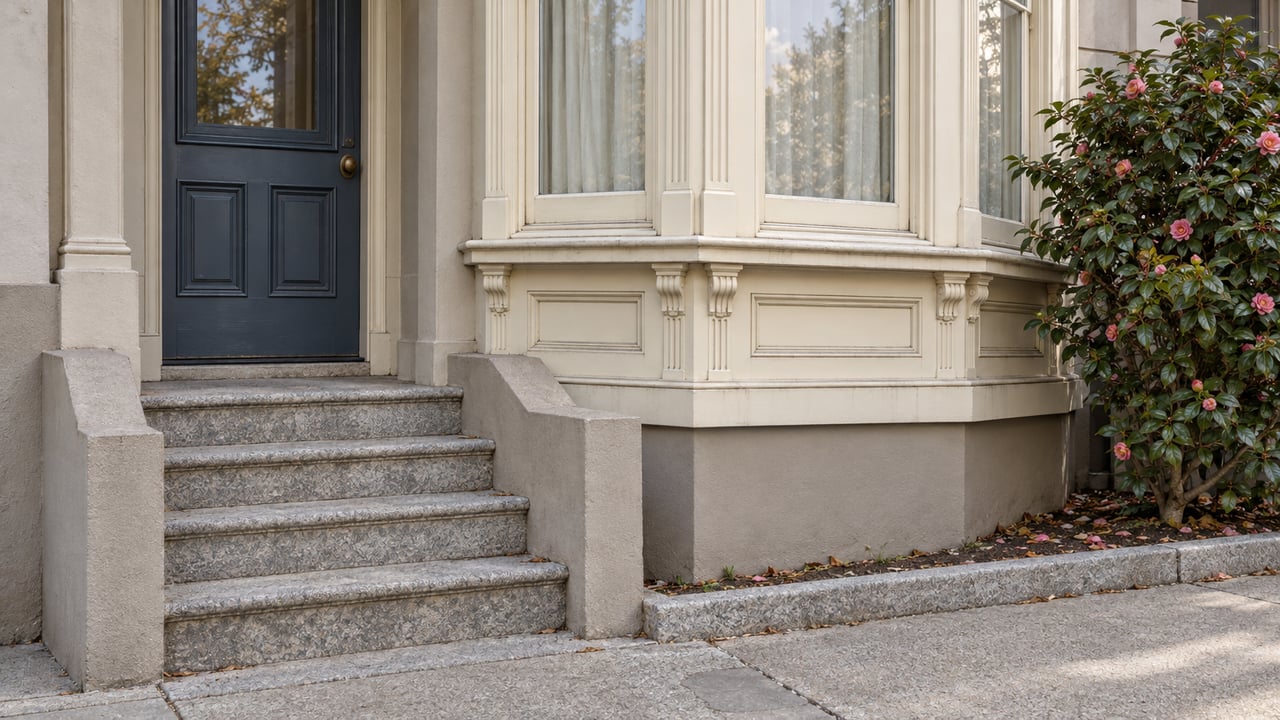
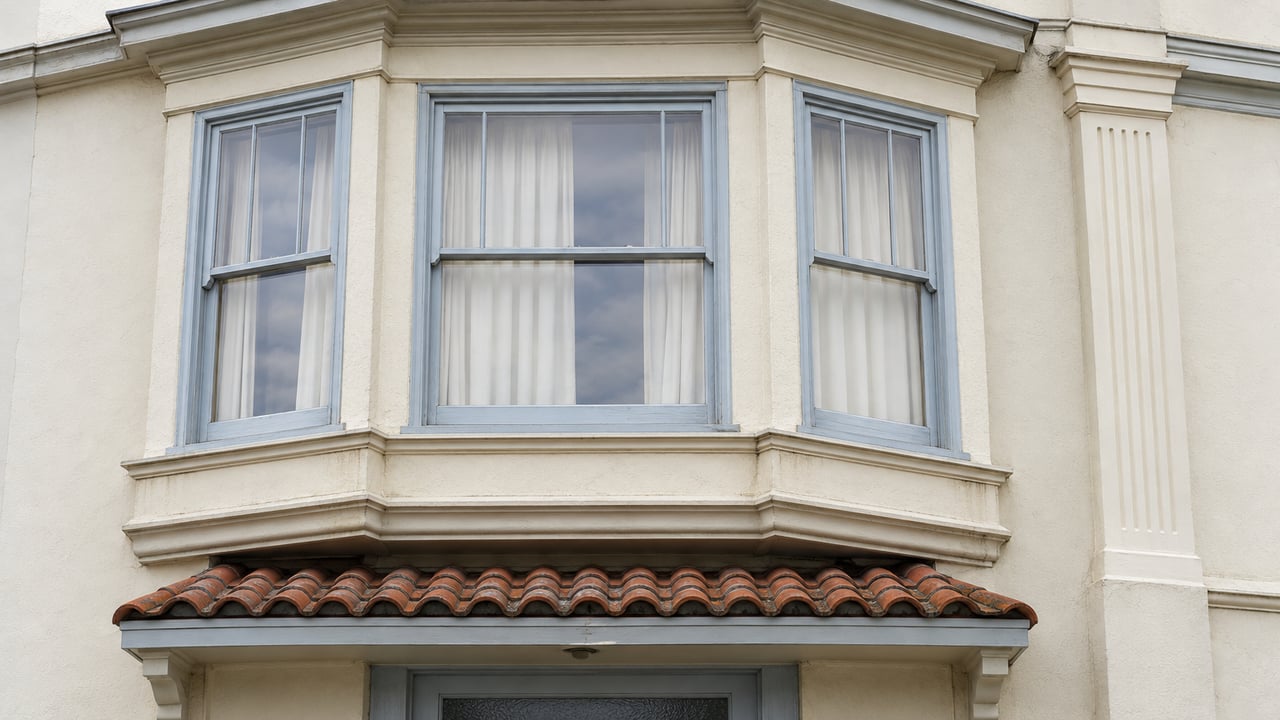
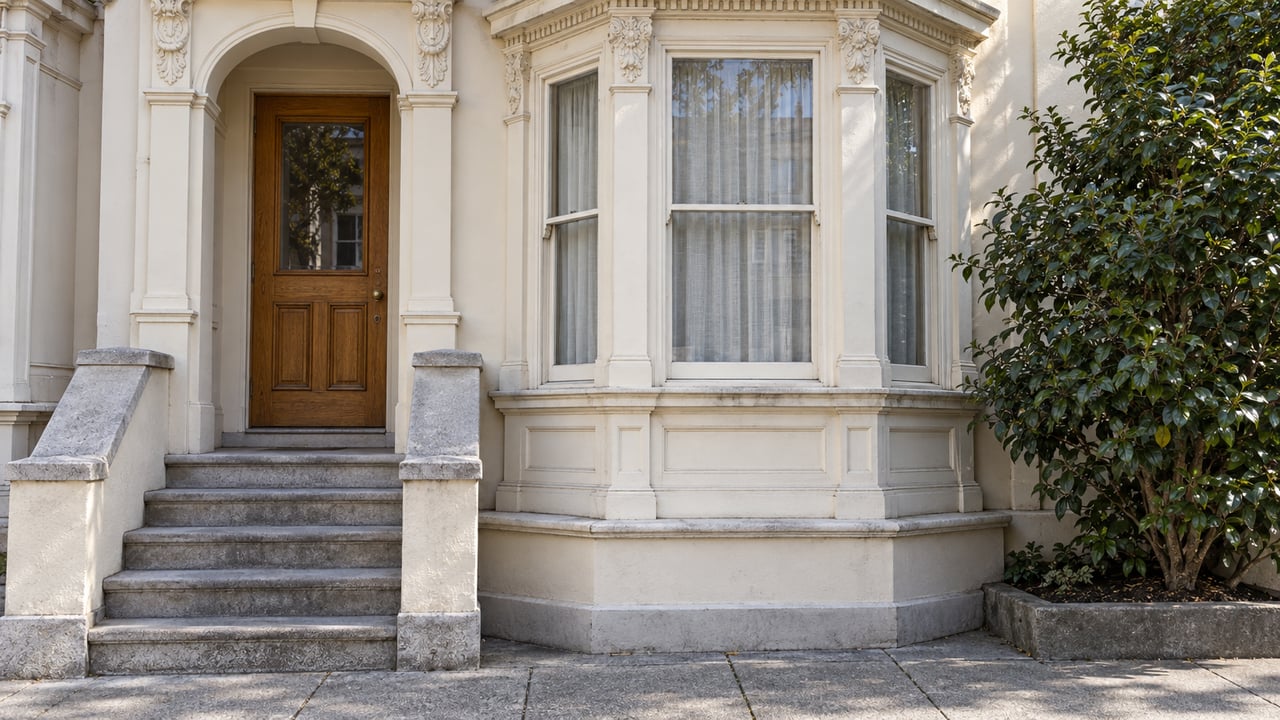
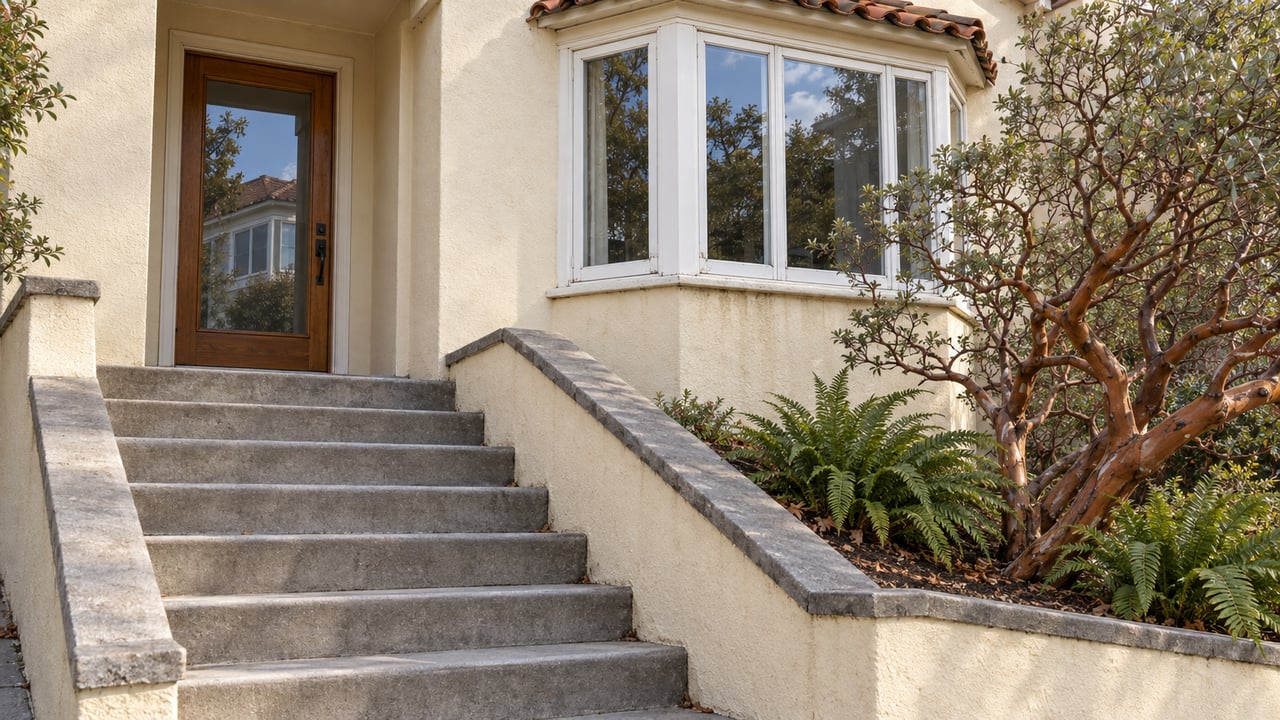
Glen Park is not just practical. It also has real visual and architectural variety, which is part of why buyers connect with it.
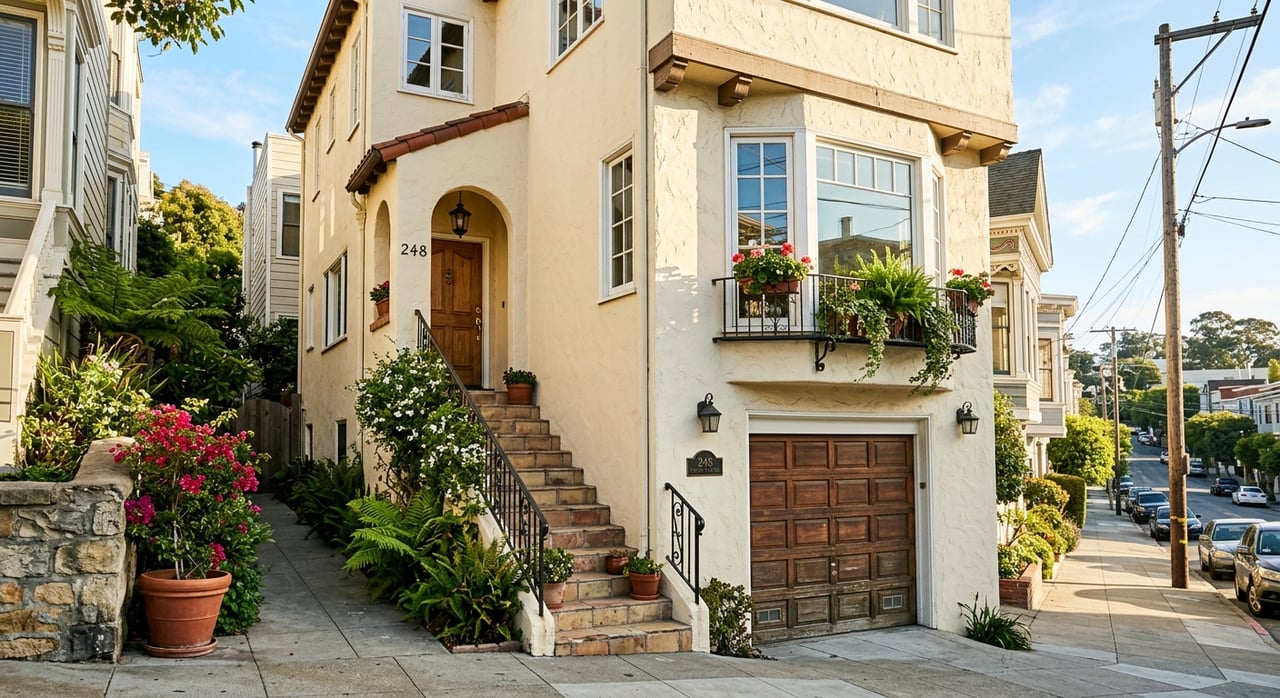
Historic planning work describes a wide mix of housing styles, including older cottages, 1920s Craftsman homes, Tudor, Colonial Revival, Spanish Eclectic, Mediterranean Revival, Art Deco, and some 1950s to 1960s modern buildings. That layered housing stock gives you more range than you might find in a single-era district.
For buyers relocating within San Francisco or moving into the city for the first time, that can make the home search more interesting. You are not choosing only a commute pattern. You are also choosing between very different home styles and streetscapes.
Who Glen Park fits best
Glen Park is especially well suited to buyers who want:
- Direct access to both Muni and BART
- A practical commute to downtown San Francisco
- Easier regional rail access for Peninsula or airport trips
- A neighborhood center with a village feel
- A residential setting that still feels connected to the city
It can be a strong option for relocators, professionals with hybrid schedules, and households who want transit flexibility without giving up neighborhood character.
Who may want a different fit
Glen Park may be less ideal if your top priorities are:
- The broadest possible Muni network
- A flatter, easier street environment for every trip
- A more car-centric neighborhood layout
- Significant station parking for daily driving commutes
That does not make Glen Park a poor choice. It simply means the neighborhood performs best for a specific kind of commuter lifestyle.
The bottom line on Glen Park
If your ideal San Francisco neighborhood includes a real village center and direct access to both local transit and regional rail, Glen Park is one of the strongest commute-focused options in the city. It is particularly compelling if you travel to downtown San Francisco, rely on BART, or want easier access to the Peninsula and SFO.
The right fit comes down to how you move through your week. If you want broad transit utility wrapped in a smaller-scale residential setting, Glen Park is absolutely worth a serious look.
If you want help comparing Glen Park with Noe Valley, Bernal Heights, or another San Francisco neighborhood based on your actual commute and housing goals, Stephanie LeBeau can help you find the right fit with calm, local guidance.
FAQs
Is Glen Park good for commuting to downtown San Francisco?
- Yes. Glen Park has strong downtown access, especially via the J Church, which serves Downtown and Embarcadero and is considered the strongest one-seat option for many central San Francisco commutes.
Is Glen Park better than Noe Valley for BART access?
- Yes for BART convenience. Glen Park’s key advantage is that BART is located in the neighborhood core, while Noe Valley is stronger for broader surface Muni coverage.
Is Glen Park a good choice for commuting to the Peninsula or SFO?
- Yes. Glen Park BART offers service that supports Peninsula and airport-oriented trips, including SFO and Millbrae access.
Is Glen Park a car-friendly San Francisco neighborhood?
- It offers direct access to I-280, but the Bosworth and San Jose Avenue area can feel awkward for pedestrians and cyclists, and the neighborhood is not especially car-centered overall.
Is Glen Park easy for biking and transit together?
- It can be. Glen Park is identified as an important link in the citywide bike network, and the station includes bike racks, BikeLink lockers, and a BayWheels station.
What kind of homes are common in Glen Park?
- Glen Park has a varied housing mix that includes older cottages, Craftsman homes, Tudor, Colonial Revival, Spanish Eclectic, Mediterranean Revival, Art Deco, and some mid-century modern buildings.