If you want a San Francisco neighborhood that feels connected, walkable, and a little more grounded than the city’s busier districts, Glen Park deserves a close look. This is the kind of place where you can grab what you need in a compact commercial core, hop on BART, and still be minutes from a major green space. If you are trying to picture what daily life here really feels like, this guide will help you understand the rhythm, housing, transit, and tradeoffs that shape Glen Park. Let’s dive in.
Why Glen Park Feels Different
Glen Park is often described by San Francisco Planning as having a village atmosphere, and that description fits. The neighborhood combines dense urban features with a smaller-scale feel shaped by winding streets, steep topography, scenic views, and a human-scaled built environment.
Unlike neighborhoods built around long commercial corridors, Glen Park’s center is compact. The main hub is the area around Diamond and Chenery Streets, along with the nearby BART station, which gives the neighborhood a clear focal point instead of a spread-out layout.
That village feel is not accidental. Planning materials note that Glen Park developed before the automobile era, which helps explain why the neighborhood center still feels walkable rather than dominated by traffic and parking lots.
The Village Core of Glen Park
One of Glen Park’s strongest qualities is that everyday essentials are concentrated in just a few blocks. According to San Francisco Planning, the commercial core is pedestrian-oriented, with shops, restaurants, markets, a grocery store, and a library close together.
For you, that can translate into a more convenient daily routine. You are not covering a long stretch of road to piece together errands, coffee, dinner, and transit access. The layout supports a neighborhood lifestyle where many stops feel naturally connected.
Planning documents also say Glen Park is largely built out and not expected to see massive new growth. That matters because it suggests the neighborhood’s small-scale structure is likely to remain one of its defining features.
Transit Access Is a Big Advantage
If commute options matter to you, Glen Park has a strong story. Glen Park Station sits at Diamond and Bosworth, right in the center of the neighborhood, and BART notes that the station also connects with San Francisco Muni.
San Francisco Planning also points to direct and easy access to I-280. Several bus lines, freeway ramps, and the BART station converge here, which gives Glen Park an unusual level of transportation choice for a neighborhood that still feels residential and local.
For many buyers, that balance is the appeal. Glen Park can work well if you want strong transit access without living in a fully downtown environment.
The Transit Tradeoffs to Know
Convenience comes with tradeoffs, and Glen Park is no exception. Planning materials note rush-hour congestion and parking pressure around Bosworth, Diamond, San Jose Avenue, and the station area.
BART also reports that parking at Glen Park Station is limited to 55 spaces. In practical terms, this is a neighborhood that reads more transit-first than parking-first, especially near the station core.
The neighborhood’s steep streets can also shape how you experience it day to day. Glen Park’s topography is part of its charm, but it is still worth considering if you are comparing it with flatter parts of the city.
Glen Canyon Park Changes Daily Life
Glen Canyon Park is one of the biggest reasons Glen Park stands out. San Francisco Recreation and Parks describes it as a 66.6-acre recreation area with a recreation center, ball field, and tennis courts, along with a large urban canyon, dramatic rock formations, spring wildflowers, and Islais Creek, one of the few remaining free-flowing creeks in San Francisco.
That is more than a small neighborhood park. It gives Glen Park a real outdoor dimension that can feel unusual in a dense city setting.
San Francisco Planning connects the downtown village with Glen Canyon Park through open-space and greenway ideas. In everyday terms, that helps explain why Glen Park often appeals to people who want urban convenience but also want easy access to nature close to home.
Why the Park Matters to Buyers
For many people, lifestyle comes down to what is within reach on a typical weekday. In Glen Park, the combination of a compact village center and a substantial green space can create a more flexible routine.
You might start your day with transit access, handle errands locally, and still have a meaningful outdoor escape nearby. That mix is a major part of the neighborhood’s identity.
What Homes in Glen Park Typically Look Like
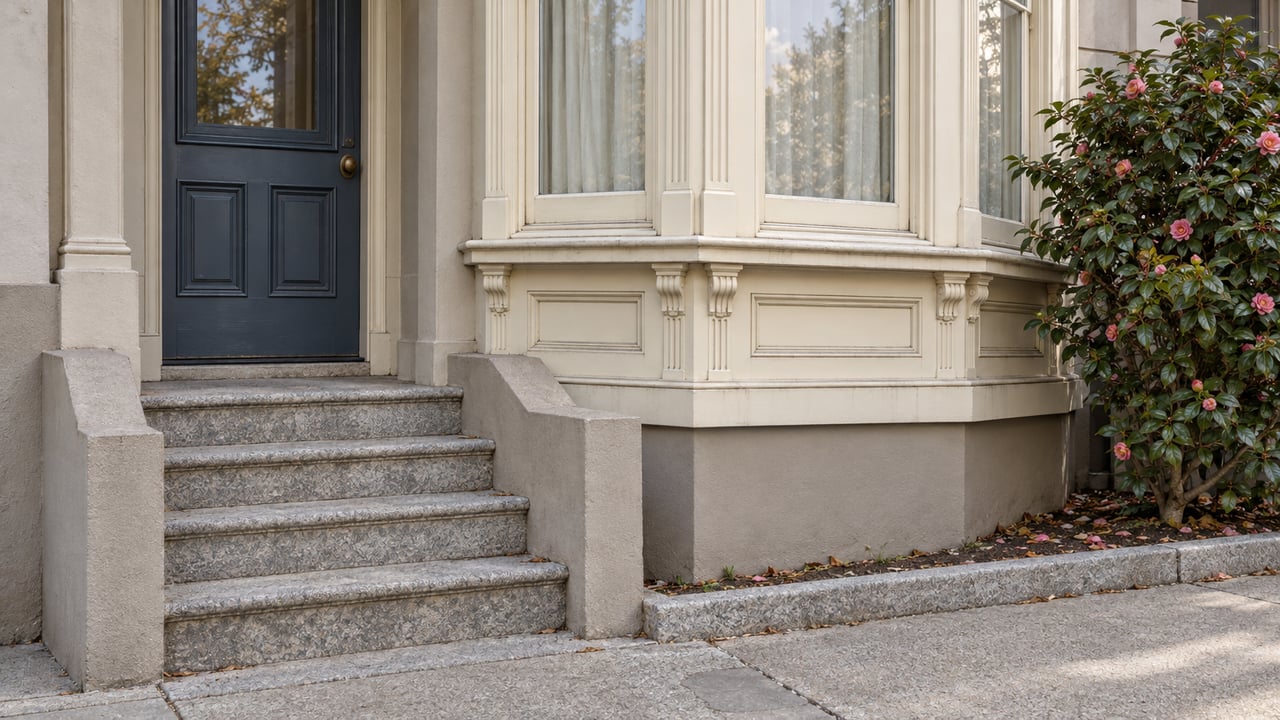
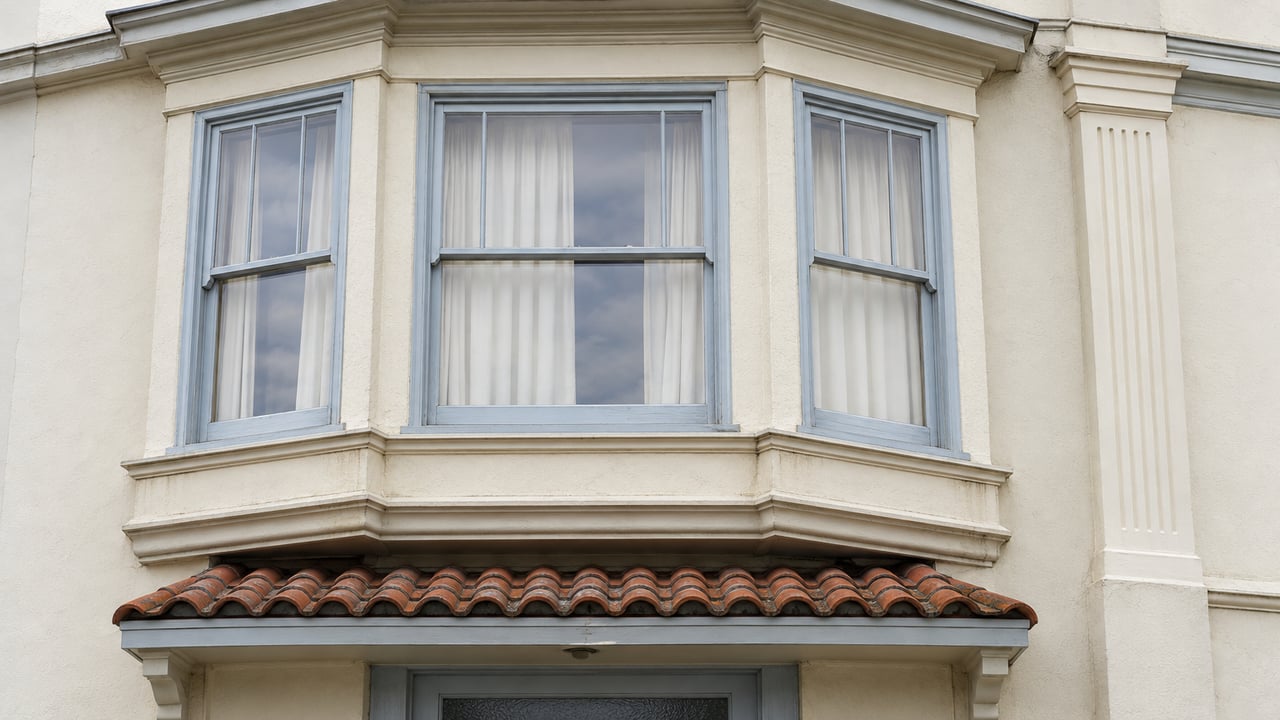
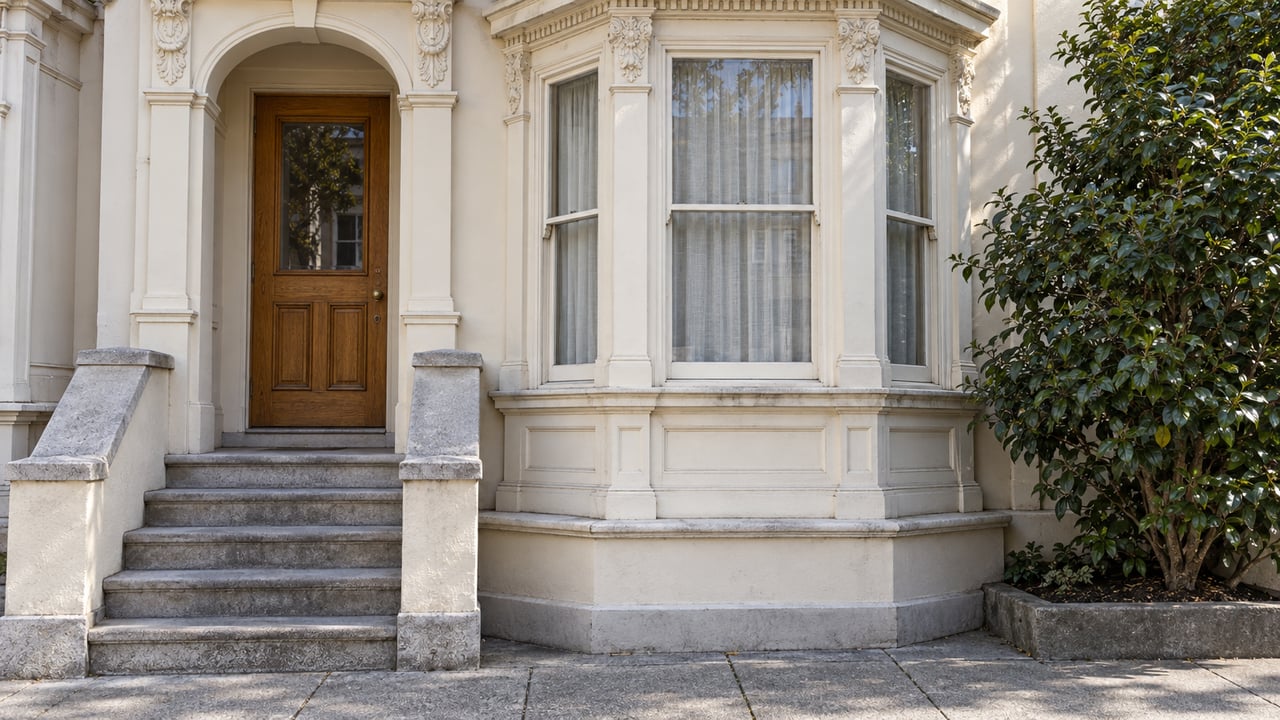
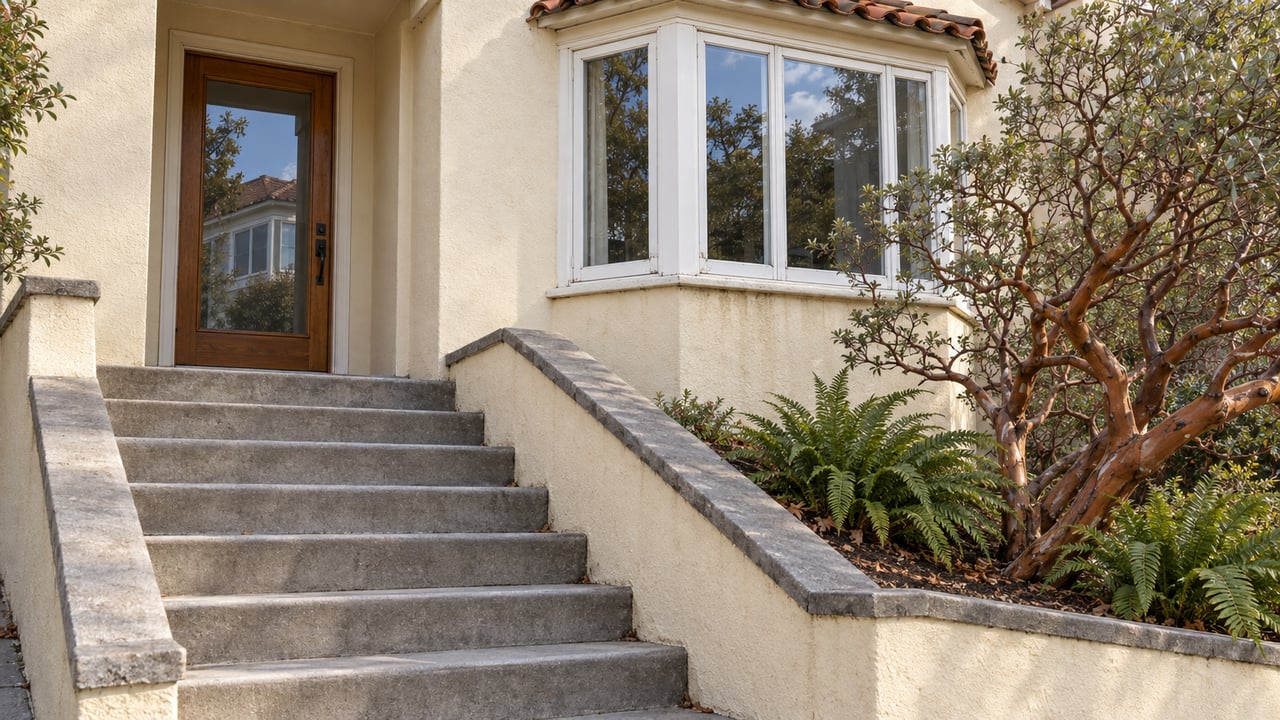
Glen Park’s housing stock is generally traditional and low-rise. A historic resources evaluation for the Glen Park Community Plan says the area is dominated by two- to four-story residential, commercial, and mixed-use buildings.
You will find a mix of housing types here rather than one dominant format. That includes single-family homes ranging from small cottages to two- and three-story over-garage residences, along with flats, small apartment buildings, and mixed-use storefront buildings.
Architecturally, the neighborhood includes styles such as Craftsman, Spanish Eclectic, and Modern. That variety can be a plus if you are drawn to character and want options beyond large new construction.
Common Home Types in Glen Park
- Older single-family cottages
- Larger over-garage homes
- Small flats
- Small apartment buildings
- Mixed-use buildings near Diamond, Chenery, and Bosworth
Because Glen Park is already largely built out, buyers are often choosing from existing housing stock rather than waiting on substantial new development. That can make the home search feel more about fit, timing, and condition than about brand-new inventory.
Glen Park Pricing in Context
Current pricing places Glen Park in an interesting middle position among nearby neighborhoods. Redfin’s March 2026 snapshot shows a median sale price of $1.843 million in Glen Park.
For the same month, Noe Valley’s median sale price was $2.275 million, while Bernal Heights came in at $1.58 million. Based on those figures, Glen Park sits between Noe Valley and Bernal Heights on price.
That said, this should be treated as a snapshot, not a fixed ranking. Redfin shows only 6 homes sold in Glen Park in March 2026, which means a small sample can shift neighborhood-level pricing quickly.
Who Glen Park Often Appeals To
Glen Park tends to make sense for buyers who want a compact, transit-oriented neighborhood with a clear center. It can also appeal to people who value character housing and want access to open space without giving up city convenience.
If you are comparing nearby areas, Glen Park may feel like a middle ground. It offers more transit concentration than some neighboring spots, a smaller and more defined village core, and a price point that currently sits between Noe Valley and Bernal Heights based on the March 2026 snapshot.
The right fit depends on what matters most to you. If you prioritize easy transit, walkability, and immediate access to Glen Canyon Park, Glen Park has a lot to offer.
Key Tradeoffs to Keep in Mind
No neighborhood is perfect for every buyer, and Glen Park works best when its strengths line up with your lifestyle. The same features that make it convenient can also create pressure points.
A few practical things to weigh include:
- Rush-hour congestion near the station area
- Limited parking at and around Glen Park Station
- Steep streets in parts of the neighborhood
- A built-out housing landscape with less expectation of major new inventory
These are not necessarily negatives. They are simply part of the neighborhood’s real character, and understanding them helps you make a more confident decision.
Why Glen Park Has Staying Power
What gives Glen Park lasting appeal is how clearly it knows what it is. San Francisco Planning’s focus on the downtown village, rather than large-scale transformation, supports the idea that Glen Park’s identity is rooted in its existing pattern of streets, shops, transit, and housing.
For you, that can mean a neighborhood with a strong sense of place. It is urban, but not anonymous. It is connected, but still distinctly local.
If you are exploring San Francisco neighborhoods and want somewhere that blends village energy, transit convenience, and meaningful access to nature, Glen Park is worth serious consideration. If you want help figuring out whether Glen Park matches your goals, Stephanie LeBeau can help you compare options and make a smart move in San Francisco.
FAQs
What makes Glen Park feel like a village in San Francisco?
- Glen Park has a compact commercial core around Diamond and Chenery Streets, a pedestrian-oriented layout, and a small-scale built environment that San Francisco Planning describes as village-like.
What transit options are available in Glen Park, San Francisco?
- Glen Park offers BART service at Diamond and Bosworth, Muni connections, and easy access to I-280, with several bus lines and freeway ramps converging in the area.
What is Glen Canyon Park like in Glen Park?
- Glen Canyon Park is a 66.6-acre recreation area with a recreation center, ball field, tennis courts, an urban canyon, rock formations, spring wildflowers, and Islais Creek.
What types of homes are common in Glen Park, San Francisco?
- Glen Park includes single-family cottages, over-garage homes, flats, small apartment buildings, and mixed-use buildings, with styles that include Craftsman, Spanish Eclectic, and Modern.
How does Glen Park pricing compare with nearby neighborhoods?
- In Redfin’s March 2026 snapshot, Glen Park’s median sale price was $1.843 million, compared with $2.275 million in Noe Valley and $1.58 million in Bernal Heights.
What are the main tradeoffs of living in Glen Park?
- Key tradeoffs include rush-hour congestion near the station, limited parking, steep streets, and a built-out housing stock with fewer expectations for major new development.