Wondering whether buying a condo in Lower Pacific Heights is the right move for you? You are not alone. This part of San Francisco draws buyers who want a central, established neighborhood feel with a wide range of condo options, but the details matter here more than most people expect. If you are thinking about making an offer, this guide will help you understand pricing, building types, HOA issues, parking, and the condo-versus-TIC question so you can move forward with more confidence. Let’s dive in.
Why buyers look at Lower Pacific Heights
Lower Pacific Heights sits in a useful middle ground for many San Francisco condo buyers. It can offer a Pacific Heights-adjacent location and a premium neighborhood feel, but often at a lower price point than Pacific Heights itself.
That price positioning matters. Current market data shows Pacific Heights condos at a median listing price of $1.65 million, while San Francisco condo listings overall sit at a median listing price of $1.09 million. Lower Pacific Heights lands between those two, making it appealing if you want a well-located condo without automatically stepping into the highest nearby price tier.
Lower Pacific Heights market snapshot
The Lower Pacific Heights market is competitive. Recent neighborhood data shows a median sale price of $1.25 million for all home types, a median of 28 days on market, and a sale-to-list ratio of 104.8%.
In practical terms, that means well-positioned properties can move quickly and attract strong offers. If you are shopping here, it helps to be financially prepared, clear on your priorities, and ready to evaluate disclosures fast.
What condos cost right now
Current listings and recent sales show a fairly broad condo price range in Lower Pacific Heights. At the entry level, a one-bedroom has recently been listed around $675,000. A newer two-bedroom with parking has been listed around $1.075 million.
On the resale side, recent two-bedroom closings have included sales around $1.249 million, $1.675 million, and $1.7 million. That spread tells you something important: pricing depends heavily on the building, condition, parking, layout, and legal structure.
What kinds of condo buildings you will find
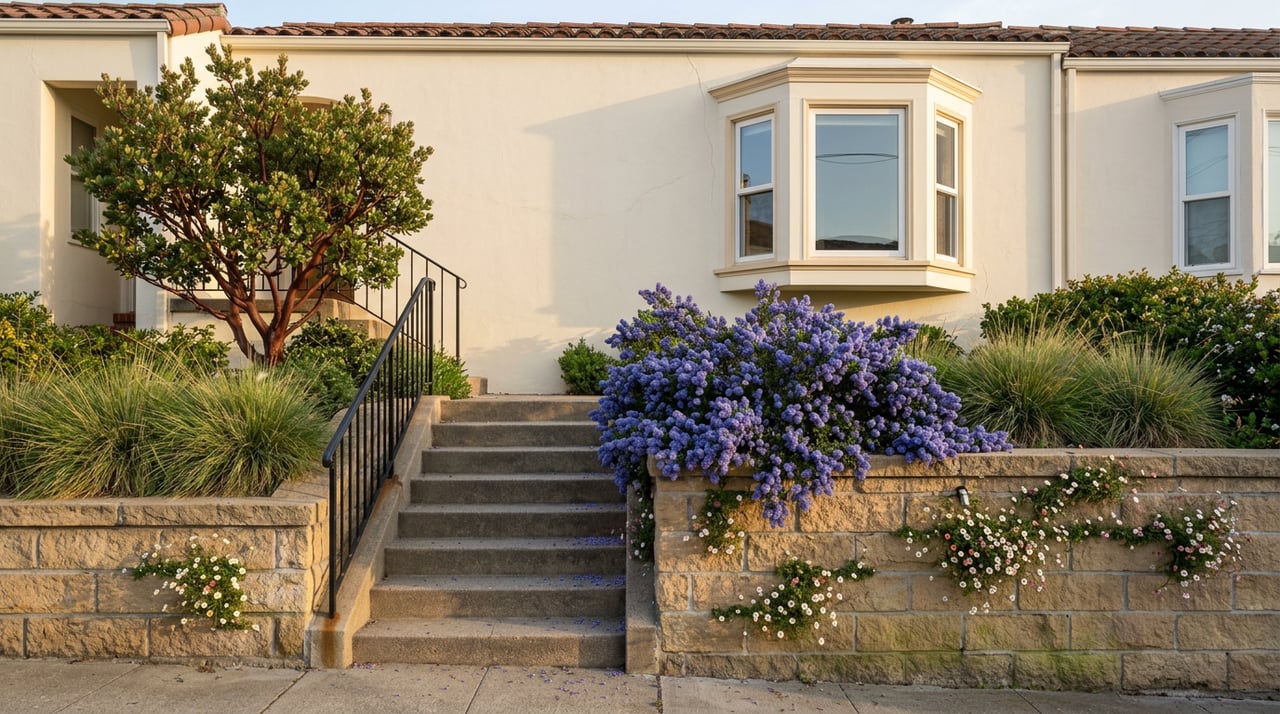
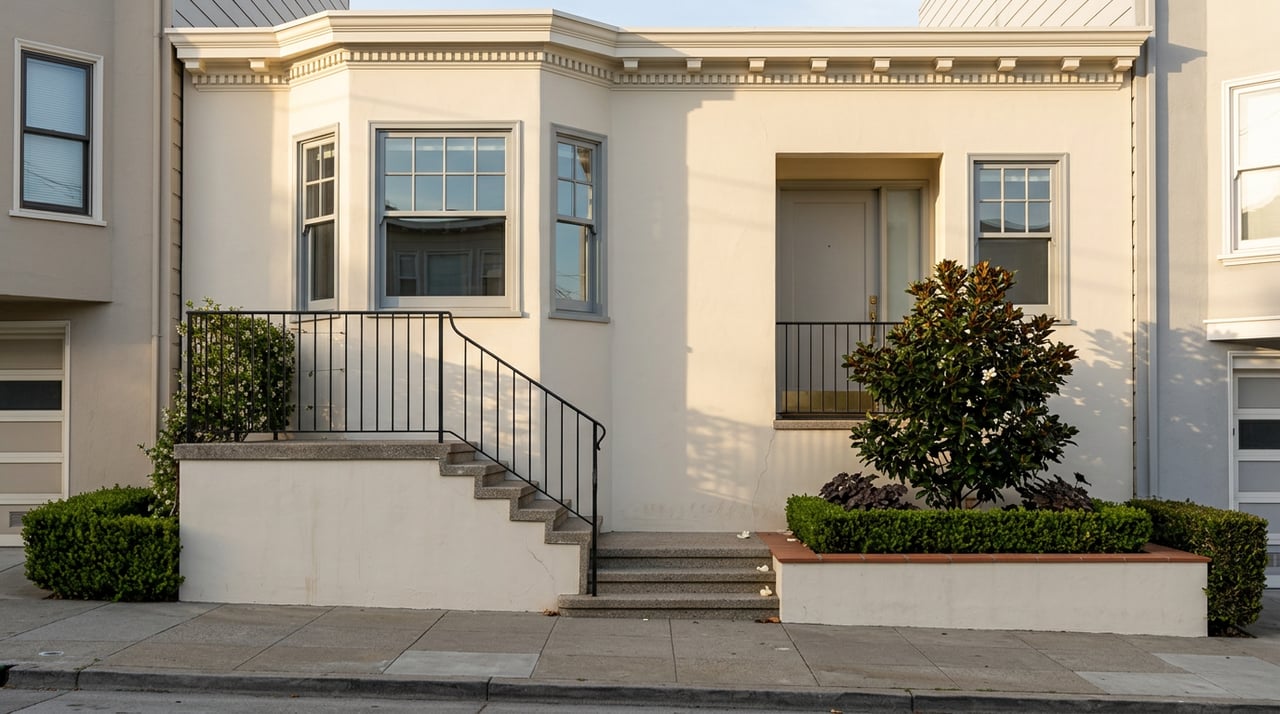
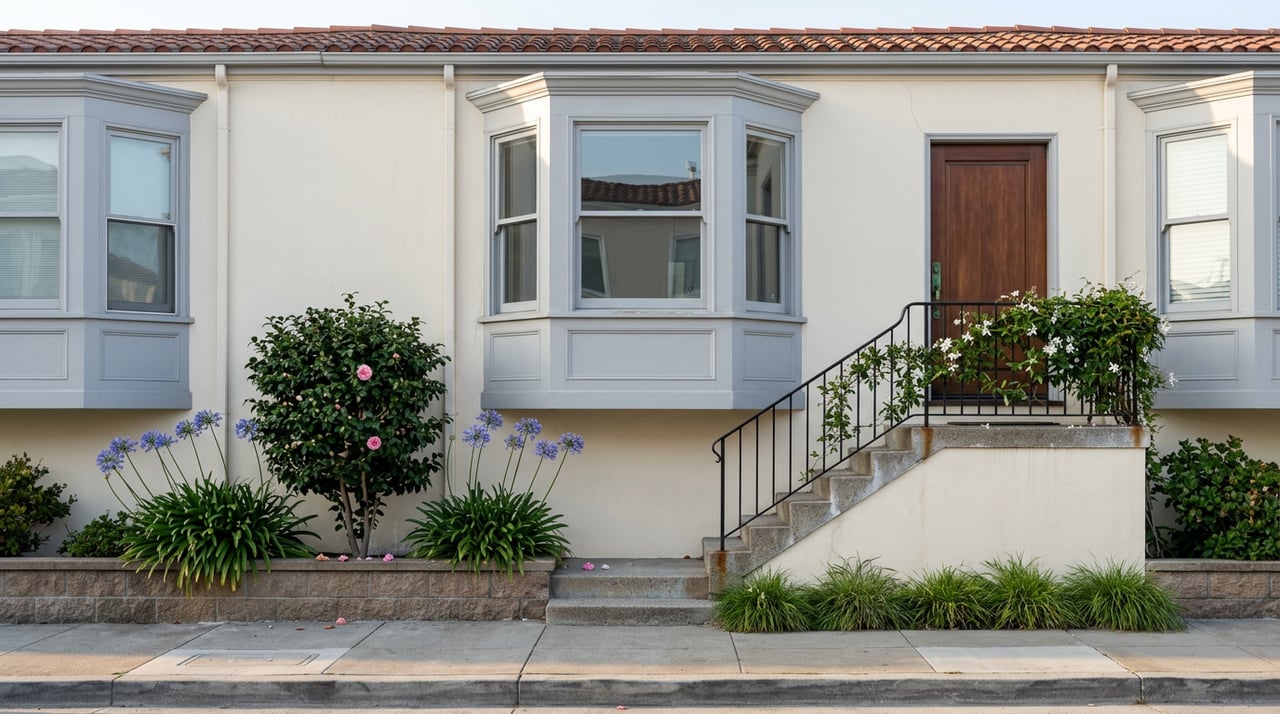
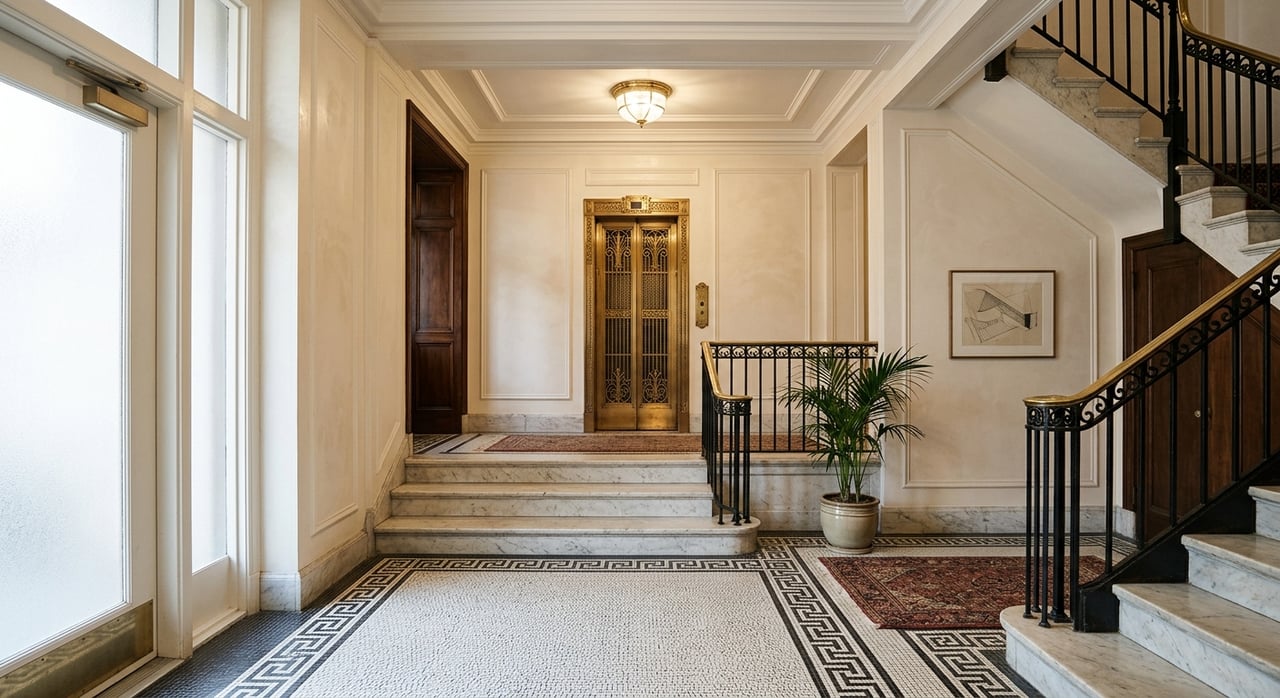
One of the biggest reasons buyers need neighborhood-specific guidance in Lower Pacific Heights is that the housing stock can vary a lot. You may be comparing a prewar building with an elevator and classic architectural details one day, then touring a smaller, newer condo project the next.
San Francisco Planning notes that Victorian architecture in the city dates from 1860 to 1900, while Edwardian dates from 1901 to 1910. Edwardian buildings in San Francisco are often tied to multi-unit flats or apartment buildings, and that history still shapes what buyers see in this neighborhood.
Older buildings versus newer projects
A Lower Pacific Heights condo might be in a 1929 Art Deco building with professional management and more units. It might also be in a much newer four-unit project with a different HOA setup, newer systems, and a more modern ownership experience.
Neither option is automatically better. Older buildings can offer character, established common areas, and appealing layouts. Newer projects may offer more current construction, lower immediate maintenance concerns on major systems, or features like garage parking.
Parking varies more than you think
Parking is one of those details that can change your day-to-day experience and your resale outlook. In Lower Pacific Heights, some condos come with assigned parking, while others have no on-site parking at all and rely on nearby leased garage options.
That means you should never assume parking is included just because the price feels substantial. Ask whether the space is deeded, assigned, leased, or off-site, and confirm exactly how it is documented.
HOA review is not a side detail
If you are buying a condo, the homeowners association is part of what you are buying into. California’s Attorney General notes that most HOAs are governed by CC&Rs, bylaws, and board rules, and owners typically pay dues and assessments.
That is why HOA review should be a core part of your due diligence, not an afterthought. You are not just evaluating the unit. You are also evaluating the health and rules of the shared property.
What to review in the HOA documents
California Department of Real Estate guidance explains that common-interest properties with HOA dues require a public report. That report can include information about utilities, water, roads, soil, geologic conditions, title, zoning, use restrictions, hazards, and financial arrangements.
You should also plan to review the HOA’s governing documents carefully before your offer is firm. A few items deserve special attention:
- Monthly HOA dues
- Reserve funding
- Planned or approved special assessments
- Rules affecting parking
- Balcony or exterior-use restrictions
- Rental caps or leasing restrictions
Why reserve strength matters
DRE reserve-study guidance says California associations must visually inspect major components at least every three years and review the reserve study annually. The study identifies components with less than 30 years of remaining useful life.
For you as a buyer, the question is simple: does the association appear financially prepared for upcoming repairs? If reserves are weak, owners may be more exposed to special assessments when big-ticket work comes up.
Special assessments can affect your budget
DRE guidance says special assessments can be used for major repairs, replacement, or unanticipated expenses. Without member approval, the total of special assessments in a fiscal year cannot exceed 5% of gross budgeted expenses.
That does not mean special assessments are rare or harmless. It means you should ask directly whether any assessment is planned, already approved, or being discussed in meeting notes. A condo that looks affordable on paper can feel very different once you factor in future building costs.
Condo or TIC? Know the difference first
In San Francisco, this is one of the most important questions you can ask before falling in love with a property. Some buyers start shopping for “condos” and only later realize a listing is actually a TIC, or tenancy in common.
That distinction can affect financing, taxes, title, and resale strategy. In many cases, it also affects how flexible your lender options will be.
How a condo differs from a TIC
The San Francisco Assessor-Recorder explains that a TIC is shared ownership of one parcel, usually with one property tax bill for the parcel. A condo, by contrast, is a separately legal parcel with separate tax bills.
The Assessor-Recorder also notes that, in a TIC, a change in ownership can trigger reassessment only for the sold share. DRE TIC guidance says the TIC agreement should assign occupancy rights and set property-tax apportionment.
Why financing may be easier for condos
A standard condo is often simpler when it comes to financing and resale. That is one reason many buyers focus on condos even when TICs can offer attractive pricing.
Fannie Mae’s guide lists common-interest apartments or community apartment projects owned as tenants-in-common as ineligible for delivery. In practical terms, that helps explain why TIC financing may be narrower than standard condo financing and why lender choice can matter more.
What this means for your long-term plan
If you want a cleaner path for standard financing and a potentially simpler resale process later, a condo may better fit your goals. If you are considering a TIC, make sure you understand the TIC agreement, tax setup, lender landscape, and exit strategy before you write an offer.
Seismic retrofit questions to ask
Many San Francisco buyers know to ask about condition, but fewer know to ask the right building-level seismic questions. In Lower Pacific Heights, that can be especially important in older multi-unit buildings.
San Francisco’s Mandatory Soft Story Retrofit Ordinance applies to certain wood-frame buildings with five or more residential units, two or more stories over a soft story, and original construction permits dated before January 1, 1978. The city states that parking can be impacted during retrofit work.
Ask these retrofit questions early
If you are considering an older building, ask:
- Is the building subject to the soft-story program?
- Has the retrofit been completed?
- Are any related costs still outstanding?
- Has parking been affected or reduced during the work?
These are practical questions, not niche ones. Retrofit timing, cost, and parking disruption can all affect your ownership experience and monthly budget.
How to make a smart offer here
In a competitive submarket, speed matters, but so does clarity. The goal is not just to win the condo. The goal is to buy the right condo on terms that still make sense after you read the disclosures.
Before writing an offer, it helps to have a focused checklist. In Lower Pacific Heights, these questions deserve your attention:
- Is the property legally a condo or a TIC?
- What do the HOA reserves look like?
- Is any special assessment planned or approved?
- What kind of parking comes with the unit?
- Is the building in the soft-story program?
- Are there rental caps or use restrictions that could affect future flexibility?
Why local guidance matters in Lower Pacific Heights
This is one of those San Francisco neighborhoods where two properties at similar price points can come with very different ownership experiences. A beautiful older building may have no parking, a more complex maintenance outlook, or upcoming seismic work. A newer small building may have lower dues, assigned parking, and a different reserve profile.
That is why neighborhood knowledge matters. You want someone who can help you compare not just finishes and floor plans, but also the legal structure, building obligations, and resale implications behind the listing photos.
Buying a condo in Lower Pacific Heights can be a smart move if you go in with clear eyes. If you want thoughtful guidance on neighborhood fit, disclosures, and how to evaluate your options in this part of San Francisco, reach out to Stephanie LeBeau for experienced, local support.
FAQs
What is the typical condo price range in Lower Pacific Heights?
- Current examples suggest entry-level one-bedrooms can start around $675,000, while newer two-bedrooms with parking may list around $1.075 million, and recent two-bedroom sales have reached roughly $1.249 million to $1.7 million.
What should condo buyers review in a Lower Pacific Heights HOA?
- You should review dues, reserve funding, planned or approved special assessments, governing documents, and any rules that affect parking, balconies, or future rentals.
How is a Lower Pacific Heights condo different from a San Francisco TIC?
- A condo is a separately legal parcel with its own tax bill, while a TIC is shared ownership of one parcel and usually has one property tax bill for the parcel.
Do Lower Pacific Heights condos usually include parking?
- No, parking varies widely by building and unit, so you should confirm whether parking is deeded, assigned, off-site, or not included at all.
Should buyers ask about soft-story retrofit status in Lower Pacific Heights?
- Yes, especially in older multi-unit buildings, because retrofit status, related costs, and possible parking disruption can all affect your budget and ownership experience.