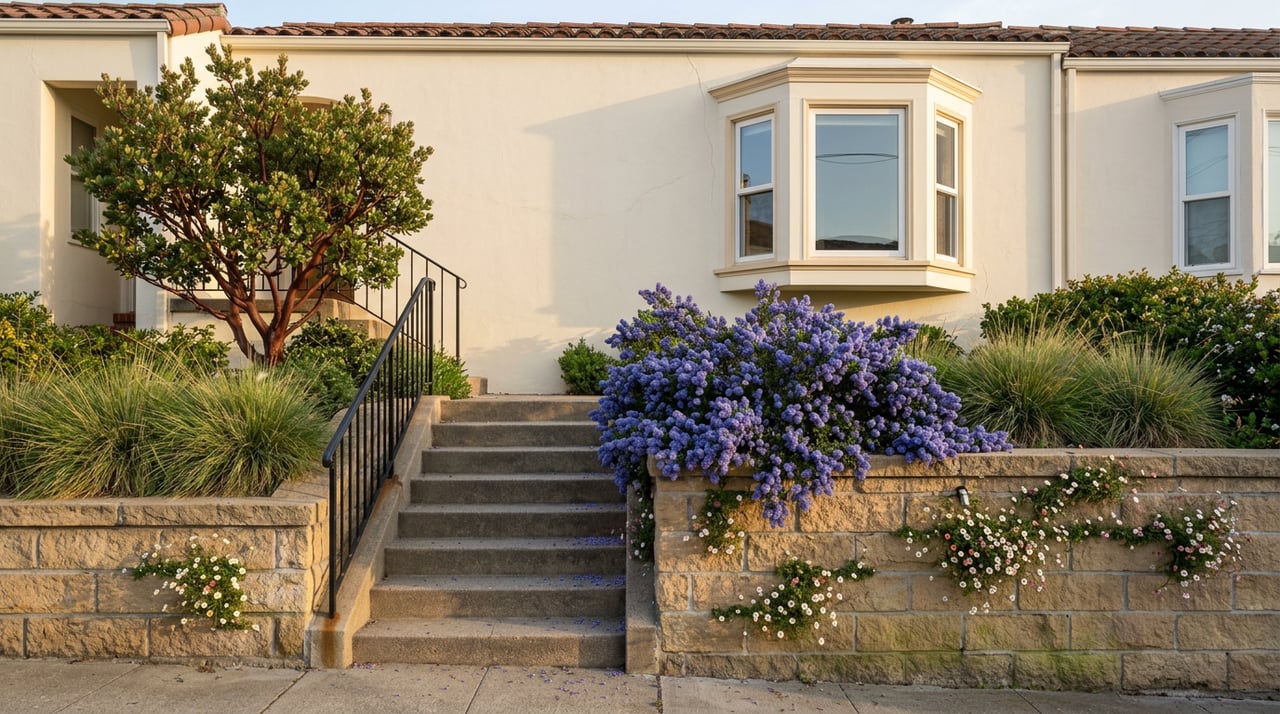
Ask a seller on Potrero Hill how their agent walked them through the retaining wall question on the disclosure form, and the answer tells you more about which block they live on than the median price ever could. Some sellers spend an afternoon on it, pulling old permits and calling a structural engineer back for one more look. Others check the box, write "none known," and move on to the next line. Both can be telling the truth. That is the part nobody explains clearly enough before escrow opens.
Potrero Hill reads as one neighborhood on a map and in every listing search. On the ground, it is really two different pieces of geology wearing the same zip code, and the seam between them runs right through the middle of a disclosure packet.
The Same Line on Every Form, Very Different Stakes
San Francisco sellers fill out a standard disclosure form, and the San Francisco Seller Disclosure includes a specific, plain-language question in the property condition section: are there any known problems with retaining walls, including leaning, bulging, or cracking. It sits a couple of lines above questions about garage door sensors and underground sprinklers, easy to treat as boilerplate.
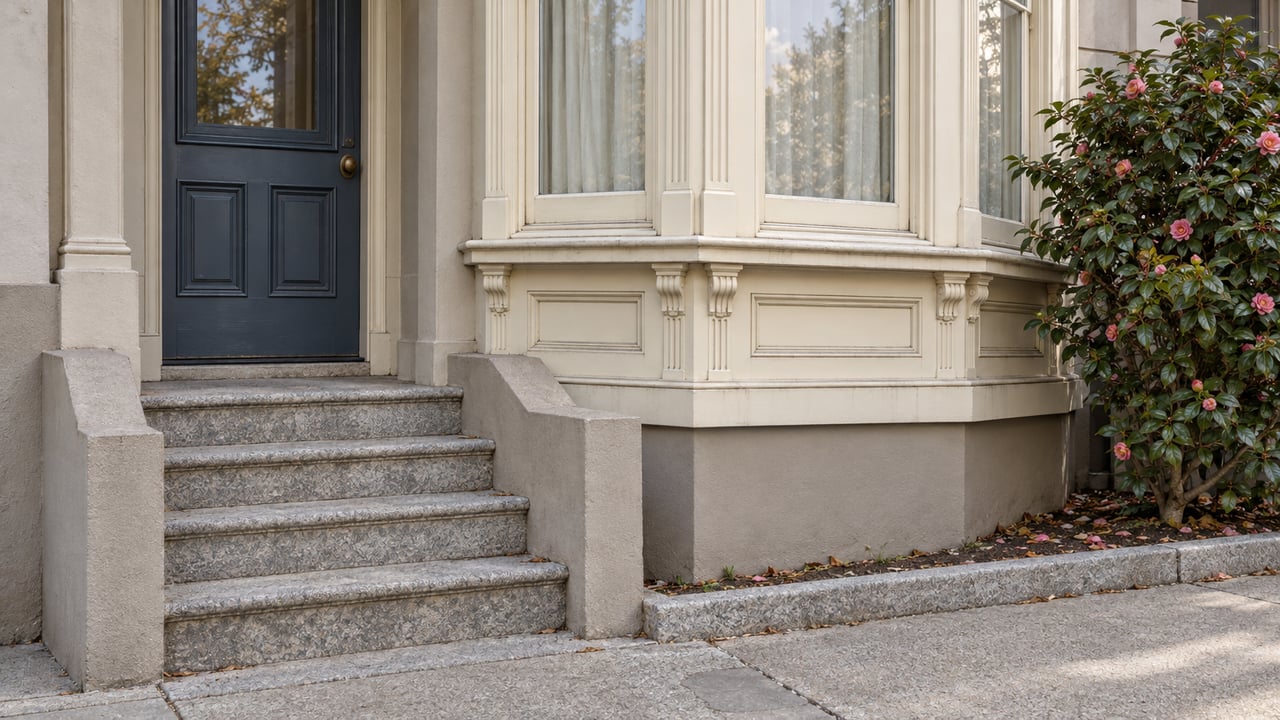
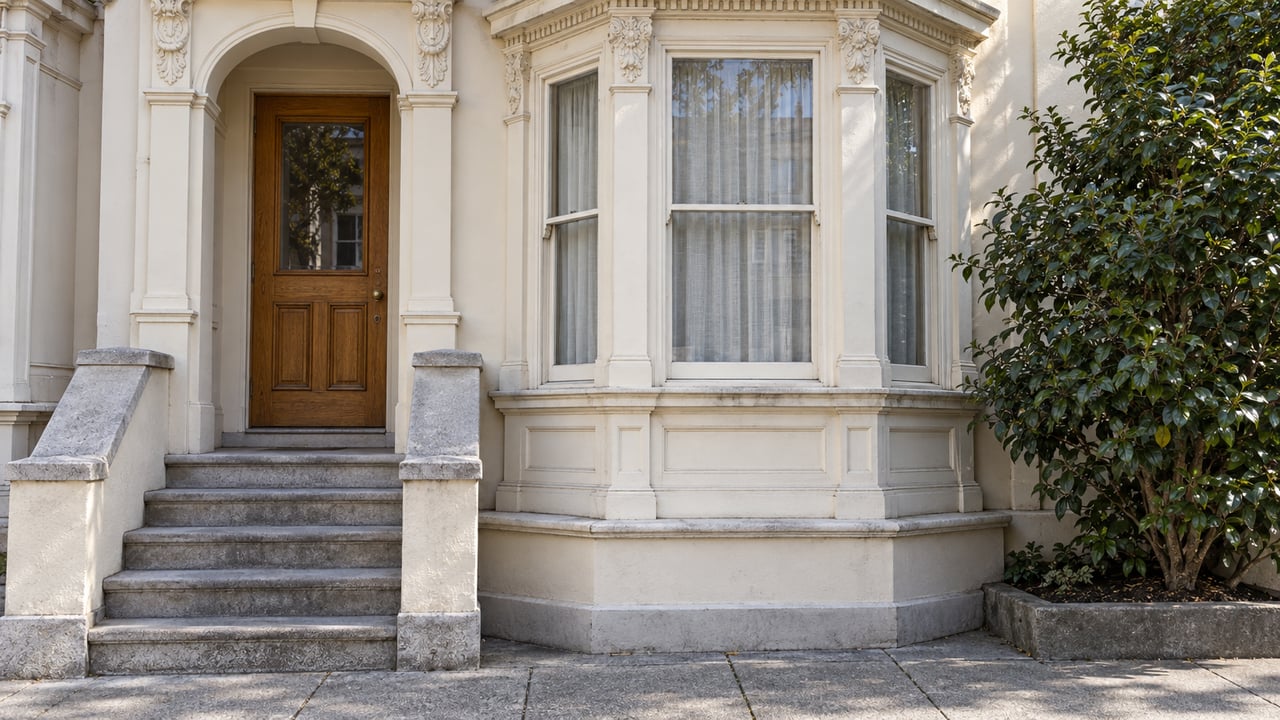
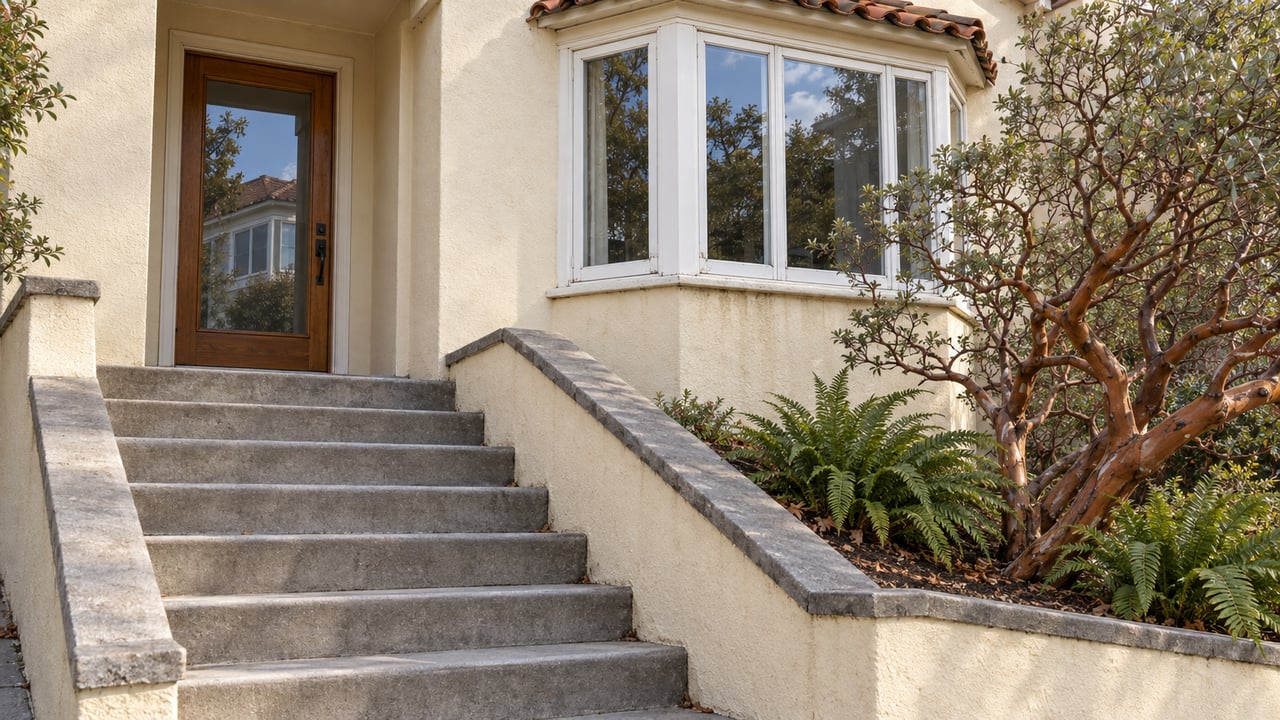
On a flat lot in most San Francisco neighborhoods, that question gets a quick no and a few seconds of thought. On Potrero Hill, it depends entirely on where the lot sits. A home tucked into the flatter blocks near Potrero Avenue and Highway 101 may never have needed a retaining wall in the first place. A home two blocks uphill, holding a view lot against a hillside, almost certainly has one doing real structural work, and its condition is not a formality. It is the thing an inspector will walk straight to.
What Four Feet Actually Triggers at the City
San Francisco's Department of Building Inspection does not treat all retaining walls the same, and the threshold is specific. Under the city's own guidance, any retaining wall over four feet requires a soils report and structural calculations before permitted work can proceed, and projects that fall inside a mapped geologic hazard zone get an additional layer of review from Planning on top of that.
That distinction matters for anyone buying or selling here, because it changes the conversation from "is there a wall" to "how tall is it, when was it built, and does anyone have the paperwork." A wall built decades ago, before a remodel or a fence replacement ever pulled a permit, may not have a soils report anywhere in the property's file. That does not make it unsafe. It does mean a buyer's engineer will likely ask for one, and a seller who already has it in hand moves through that conversation in a single phone call instead of a multi-week delay.
A few blocks south, the city's redevelopment plan for the Potrero Terrace and Annex site put a number on how seriously this ground gets treated once real grading begins. The 38-acre plan called for moving close to 300,000 cubic yards of earth to manage a 225-foot change in elevation across slopes reaching 20 percent, threaded with a vein of serpentine rock that resists water and complicates anything planted near it. Most private sales never approach that scale of work. The point is what it says about the ground itself: this is not soil that behaves the same way from one end of the hill to the other, and the city treats it accordingly.
Same Zip Code, Different Ground
The contrast holds up street by street. Potrero Hill's highest point sits at 314 feet above sea level, and the stretch of Vermont Street between 20th and 22nd twists through seven switchbacks on its way down, a steeper run than Lombard Street's famous curves, with one fewer turn to show for it. That is the hilltop half of the neighborhood, the part built for the view, where lots were carved into a slope and held there.
The other half sits closer to sea level, hemmed in by Highway 101 to the west and the rail corridor toward Dogpatch to the east, on ground that behaves more like the flatter soils found through the Mission and Bayview than like the bedrock under the hill's crown.
| Hilltop blocks | Flatland blocks | |
|---|---|---|
| Typical elevation | Up to 314 feet | Near sea level |
| Ground type | Franciscan Complex bedrock, some serpentine | Softer fill, more liquefaction-prone |
| Retaining walls present | Common, often load-bearing for the lot | Less common, often decorative if present |
| What drives the demand | View lots, slope stabilization | Drainage, minor grade changes |
A buyer comparing two listings a few blocks apart, one on a switchback street and one closer to the freeway edge, is not comparing two versions of the same soil report. They are comparing two different answers to the same disclosure question, and the honest answer depends on which ground the house is actually sitting on.
What This Means If You're Listing or Making an Offer
If you are getting ready to sell a hillside property here, the work is worth doing before the listing goes live, not after an inspector flags it. A few things make the difference:
- Pull the permit history for any retaining wall on the property through the city's Property Information Map before you write a word of your disclosure. If a wall over four feet was built or repaired without a permit, that is worth knowing now rather than during a buyer's contingency period.
- If a soils report or structural calculation exists from prior work, keep it with your disclosure packet. It answers the buyer's engineer's first question before they ask it.
- If you're not sure how old a wall is or whether it was ever engineered, a short visit from a structural engineer before listing costs far less than a renegotiated price after an inspection report comes back with question marks.
- If you're buying on a hillside block, ask the seller's agent directly whether any retaining wall on the property has documentation, and treat a vague answer as a reason to bring your own inspector who knows what to look for on this kind of ground.
None of this changes value on its own. It changes how smoothly a transaction moves once the disclosure packet is open, and on a hill like this one, that is often where a deal either stays on schedule or starts losing weeks to back-and-forth that could have been settled up front.
Quick Answers
Does every home on Potrero Hill need a geotechnical report to sell? No. The requirement applies to retaining walls over four feet. Plenty of homes, especially on the flatter blocks, never trigger it.
What if the wall is under four feet? Smaller walls fall outside that specific city trigger, though the disclosure question about condition still applies regardless of height. A cracked or bulging wall of any size is still something a seller needs to note.
Is this specific to Potrero Hill, or true everywhere in San Francisco? The disclosure question and the four-foot city rule apply citywide. What makes Potrero Hill worth a closer look is how much its ground varies within a few blocks, from bedrock hilltop to softer flatland, which means the same question produces genuinely different answers depending on the address.
If you're weighing a hillside listing on Potrero Hill, or you've found a flatland property and want a second opinion on what its ground actually means for your offer, I'd rather walk it with you before you're deep into an inspection period than after. Reach out to Stephanie LeBeau and let's look at the specific block together.
This article is general information, not legal, tax or financial advice. Consult a qualified professional about your situation.