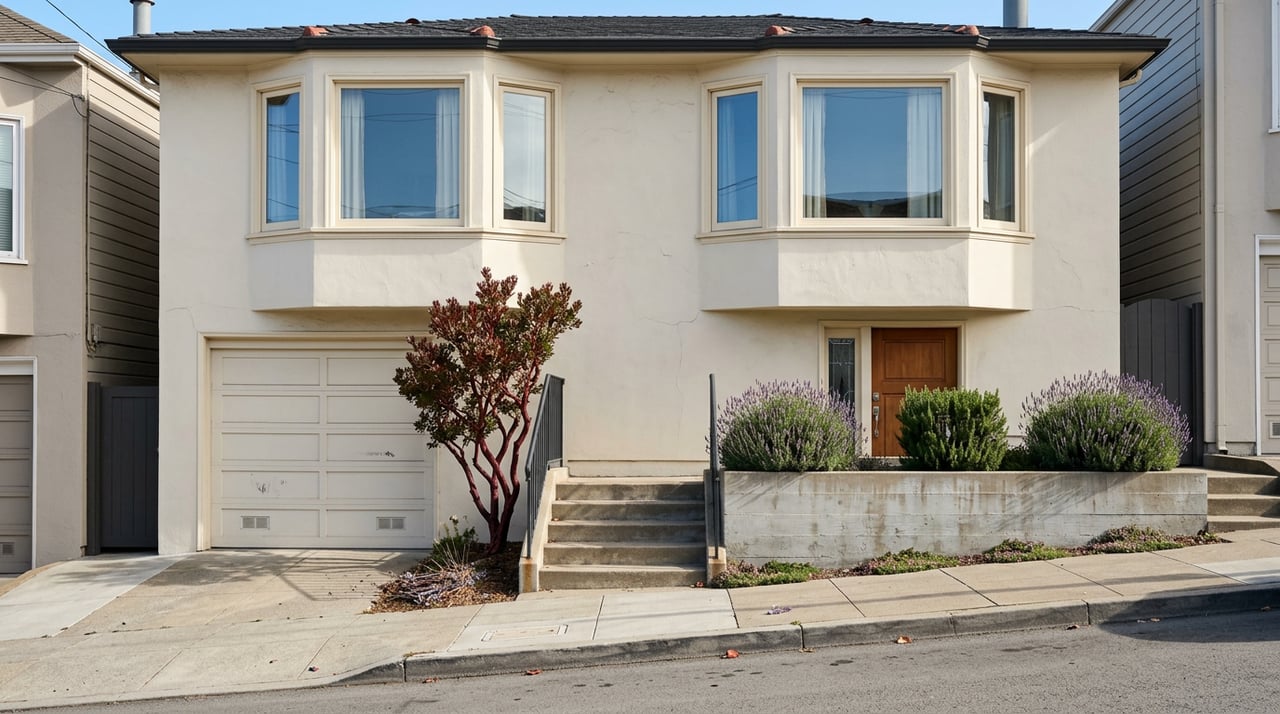
Outgrowing your condo and dreaming of a sunny hilltop house with your own front door and a small yard? If Bernal Heights is on your shortlist, you are not alone. The neighborhood blends tight-knit, village-style living with quick city access, which makes it a favorite for first-time single-family buyers. In this guide, you will learn what a true Bernal starter home looks like, how the hill and micro-pockets affect price, what to know about ADUs and in-laws, and how to write a winning offer without losing sleep. Let’s dive in.
Why Bernal fits first-time house buyers
Bernal Heights offers a more accessible path to a single-family home than some nearby hills. Recent market data shows a neighborhood median sale price around $1.376M as of February 2026, with homes selling quickly and many closing over list. Noe Valley’s median sits significantly higher near $2.3M around the same time, which is why many Mission and Noe condo owners set their sights on Bernal when they want a house and a yard.
Beyond price, the lifestyle is a draw. Bernal is compact and centered on Cortland Avenue, Precita Park, and Bernal Hill. The neighborhood is known for a sunny microclimate and small local shops that make daily living easy. You will find short walks to parks and a relaxed village feel along the Cortland corridor, as highlighted by local coverage of Bernal’s sunny microclimate and Cortland Avenue scene.
What a Bernal starter home looks like
Floorplans and style you will actually find
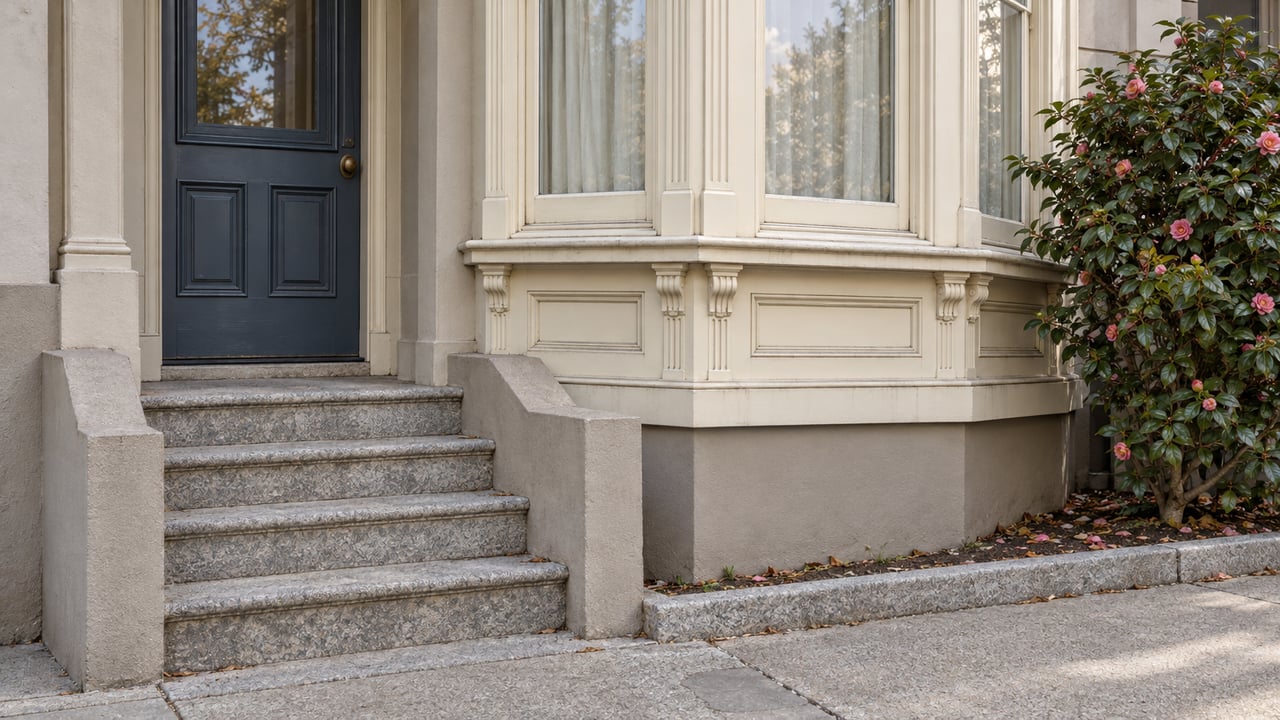
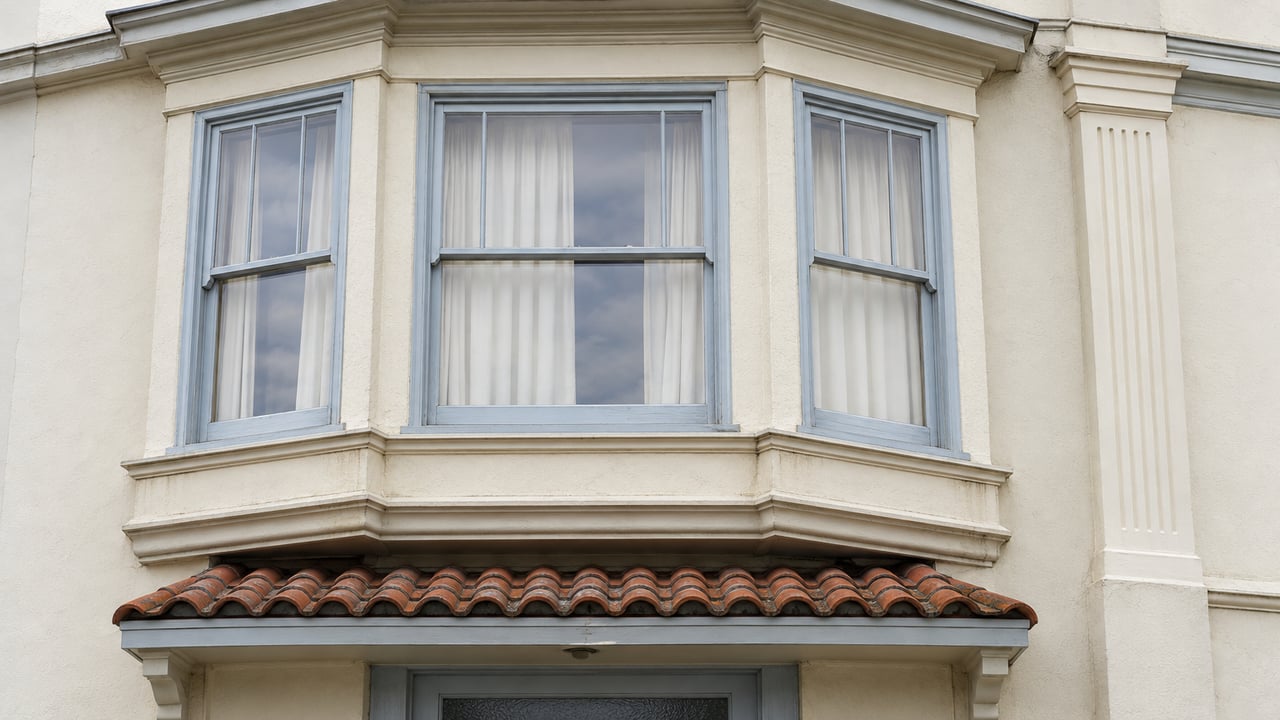
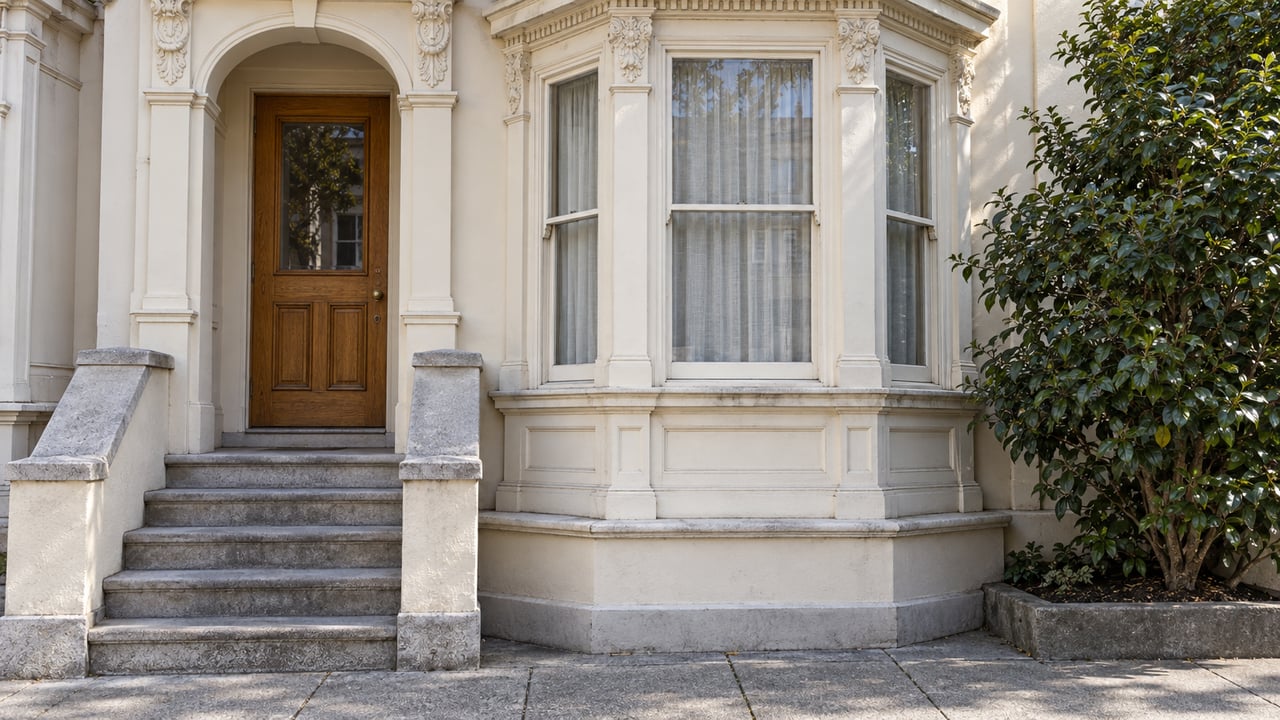
Most Bernal starter houses are late 19th and early 20th century Victorian or Edwardian homes, often wood frame, sometimes with modest Craftsman or bungalow influence. Typical starter layouts include 2 to 3 bedrooms with 1 to 2 bathrooms. Square footage commonly runs about 1,200 to 1,800 square feet, which feels like a big jump from many condos. Many homes have living areas above with a lower level that may be a garage, storage, or a finished bonus space.
Condition varies. Light to moderate renovations are common, such as refreshed kitchens and baths. Fully expanded or luxury-renovated homes trade at a premium. If you are open to a house that needs systems work or a cosmetic update, you may find better value.
Parking and outdoor space
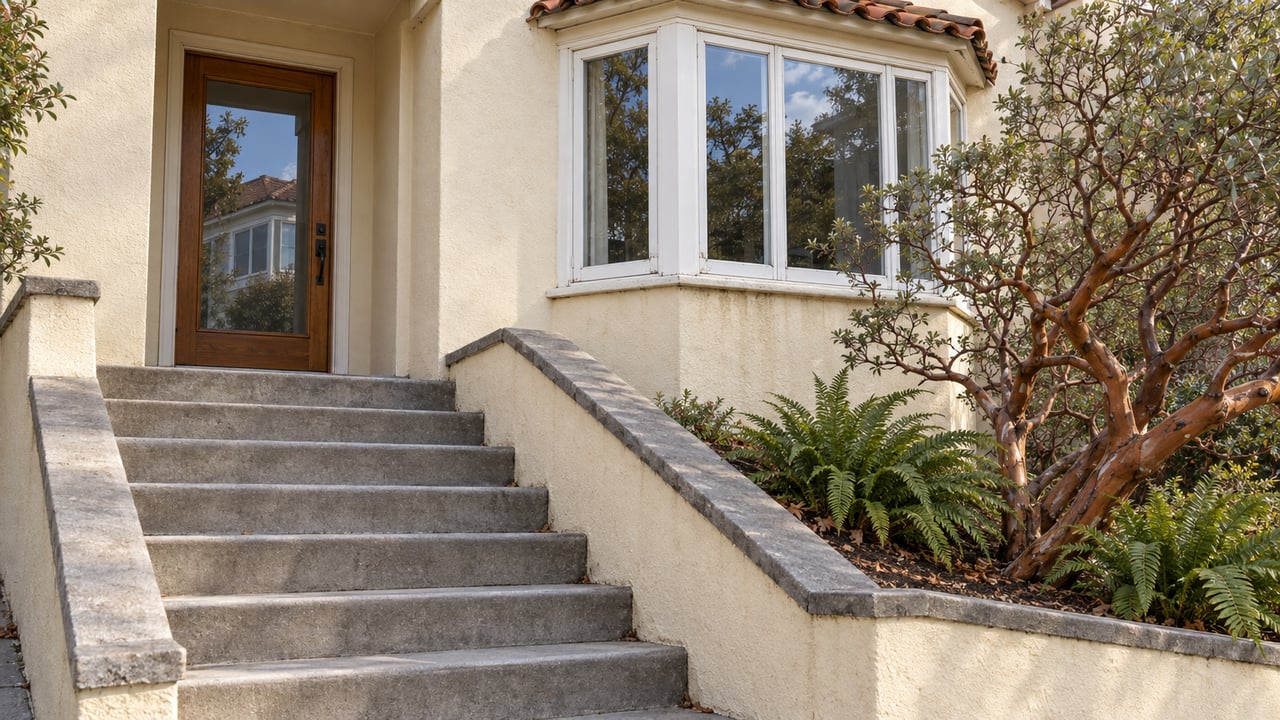
Parking can be tight on many blocks. A dedicated garage or driveway adds both convenience and value. Outdoor space often includes a small yard, a deck, or both. Some north-slope homes have view decks that command meaningful price premiums.
Moving from a condo: what changes
When you shift from a condo to a single-family house, you take on maintenance for roof, foundation, and yard, but you also gain privacy, more interior space, and outdoor areas. Monthly costs will reflect a larger mortgage and property taxes, but you drop HOA dues. Your agent can help you model a realistic monthly budget for your price point and loan program.
ADUs and in-law units: what to know
Accessory dwelling units are a big part of the Bernal conversation. A legal ADU can support affordability through rental income, increase resale value, and add flexibility for future needs.
- What is allowed in San Francisco. City guidance outlines ADU types, size limits, and special local conditions. In general, studios and 1-bedroom ADUs can be up to about 850 square feet, and 2 bedrooms up to about 1,000 square feet, subject to site and code constraints. The city’s rules also describe lookback periods for certain evictions and the possibility of deed restrictions if waivers are used. Review SF Planning’s ADU comparison chart early in your search.
- Eviction lookbacks and rent control triggers. If a property had an owner move-in or other no-fault eviction within recent years, ADU permitting may be limited. Some waivers can trigger a Regulatory Agreement that places the ADU under rent-control provisions. These are parcel specific, so include them in your pre-offer due diligence.
- AB 1033 and separate ADU sales. California’s AB 1033 allows cities to adopt local rules to let ADUs be separately conveyed as condos. Implementation is local and involves mapping, utilities, parking, and lender acceptance. In San Francisco, always confirm the property’s current eligibility and requirements before you assume a future condo-conversion path.
- The big picture on ADUs. State reforms have driven ADU growth, which is why you are seeing more listings mention them. The Terner Center’s analysis documents the statewide increase and policy context. This momentum creates more opportunity, but legal checks remain essential.
- Unpermitted units. Many homes have “bonus rooms” or lower levels that have been used as living spaces. Research on ADUs and small infill housing notes the prevalence and risks of unpermitted units. Always verify permits, order a permit history, and consider targeted inspections. The Terner Center’s research highlights the prevalence of unpermitted units.
Micro-pockets that move price
Bernal is best understood in micro-markets. Where you land on the hill can swing value on the same size and condition home.
North slope and Precita Park premium
Homes near Precita Park and the north slope often carry a premium for views, sun exposure, and easy access to Cortland’s retail. Proximity to the hill and park can also add value for lifestyle and trail access. Learn about the hill’s setting through the Bernal Heights Park overview.
Around the hill vs southern pockets
Properties that face or back onto the hill often trade at a lifestyle premium for scenery and quick park access. Southern and Holly Park areas can be a bit quieter and sometimes offer more approachable pricing for comparable homes. Each block is different, so ask your agent to pull recent solds on the same street when you are considering an offer.
Street-level value drivers
- Views of downtown, the Bay, or bridges typically command the largest premium.
- Walkable access to Cortland Avenue and Precita Park increases demand and price.
- Lot size and a flat, usable yard remain rare and valuable in the city.
- A garage or off-street parking adds both value and everyday convenience.
- Quality of remodel and system updates can shorten days on market and attract multiple offers.
- A permitted ADU or clear ADU potential can boost long-term value. Confirm parcel-specific eligibility with city records.
- Topography matters. On steeper lots, expansions and seismic needs can add cost. Review San Francisco’s Chapter 4D rules and plan for professional guidance if you are considering additions.
How to compete without regret
You can write a standout offer without taking on unnecessary risk. Focus on clarity, preparation, and flexible terms.
Before you tour
- Get fully pre-approved, and pre-underwritten if possible. Ask your lender for a contact letter that confirms your program and readiness to close.
- Prepare proof of funds. If you are selling a condo to buy, discuss bridging or a contingent sale strategy early.
- Consider targeted pre-offer inspections if the seller allows them. A roof, pest, or seismic specialist can help you shorten timelines without blind risk.
Smart offer construction
- Price strategy. An escalation clause can be useful in multiple offers. Use it carefully and within local rules, and anchor it to street-level comps.
- Contingencies with guardrails. Rather than waiving protections, consider shorter inspection and loan timelines or an appraisal-gap structure that caps your exposure.
- Earnest money and timing. A stronger earnest deposit and a closing date that matches the seller’s needs, sometimes with a short rent-back, can beat a slightly higher price.
- Keep communications fair. Avoid personal letters that touch on protected characteristics. Review the Fair Housing Act guidance and keep your offer package professional and neutral.
Your step-by-step search plan
- Define must-haves vs nice-to-haves. For most starter buyers, the big levers are parking, yard usability, and room count. Be honest about commute and access needs.
- Tour by micro-pocket. See north-slope, near-Precita, and Holly Park streets side by side to feel the trade-offs in light, views, and walkability.
- Check the lower level. If a listing mentions an in-law, verify permits and look for proper egress, ceiling heights, and separate systems.
- Run a quick ADU screen. With your agent, check eviction history, DBI and Planning records, and basic utility capacity. Start with SF Planning’s ADU comparison chart.
- Budget for the hill. If you plan to expand or remodel, factor in soils, retaining, and seismic scope in addition to finish costs. Review Chapter 4D rules with your contractor.
- Use hyperlocal comps. Ask for solds on the same block to calibrate your price and terms. Small differences in views, parking, or yard can swing value quickly.
Work with a neighborhood expert
Buying your first house in Bernal is both exciting and fast-moving. You need street-by-street context, a plan for ADUs and lower levels, and a calm offer strategy that protects you. If you want clear, local guidance and a steady hand from first tour to keys in hand, connect with Stephanie LeBeau. She brings decades of San Francisco experience, responsive communication, and negotiation that puts your goals first.
FAQs
What is a realistic budget for a Bernal Heights starter home in 2026?
- Recent neighborhood data shows a median sale price around $1.376M as of February 2026, with many homes selling quickly and over list, so plan your budget with that context in mind.
Which parts of Bernal Heights are often more affordable for first-time buyers?
- Southern pockets near Holly Park can sometimes price a bit lower than the north slope for comparable homes, though each block varies and street-level comps matter most.
How do ADUs affect affordability for first-time buyers in Bernal Heights?
- A permitted ADU can offset monthly costs through rental income and add long-term value, but you should confirm permits, potential deed restrictions, and eligibility with city records before you rely on that income.
Can I legally sell an ADU separately in San Francisco under AB 1033?
- AB 1033 lets cities adopt rules to allow separate ADU sales as condominiums, but implementation is local, so verify San Francisco’s current ordinance and parcel-specific requirements before making plans.
What should I check before offering on a home with a lower-level in-law unit?
- Verify the permit history, assess egress and ceiling heights, consider targeted inspections, and review Planning and DBI records for any restrictions or retrofit notices.
How can I write a competitive offer in Bernal Heights without waiving every contingency?
- Use shorter timelines, appraisal-gap language with clear caps, strong earnest money, and a seller-friendly closing date, rather than blanket waivers.
Does the hill make remodeling harder in Bernal Heights?
- Steeper lots can increase costs for soils, retaining, and seismic work, so factor in hillside and Chapter 4D requirements when you plan additions or major renovations.