Wondering where you can find a quieter San Francisco neighborhood without giving up city access? Sunnyside often surprises people with exactly that balance. If you are looking for hillside homes, a strong residential feel, and a few memorable local spots tucked into daily life, this guide will help you understand what makes Sunnyside stand out. Let’s dive in.
Why Sunnyside Feels Different
Sunnyside sits in south-central San Francisco on a south-facing hillside between City College of San Francisco and Mount Davidson. Local sources describe it as a relatively compact neighborhood, roughly one mile by one-half mile, with Glen Park, Westwood Park, and Mission Terrace nearby.
One reason Sunnyside feels distinct is its physical layout. City College and Interstate 280 create edges and dead ends that give the neighborhood a more tucked-away atmosphere. In everyday terms, that can make Sunnyside feel calmer than some busier parts of San Francisco while still keeping practical services close at hand.
There is also an active neighborhood identity here. The Sunnyside Neighborhood Association notes regular meetings and events, which adds to the sense that this is a place where local involvement matters.
Hillside Homes With Character
If you are drawn to homes with personality, Sunnyside has a lot to offer. The neighborhood’s development grew out of late-19th- and early-20th-century streetcar expansion, with more building after 1906, broader buildout in the 1920s, and some hillier streets finishing later in the 1950s.
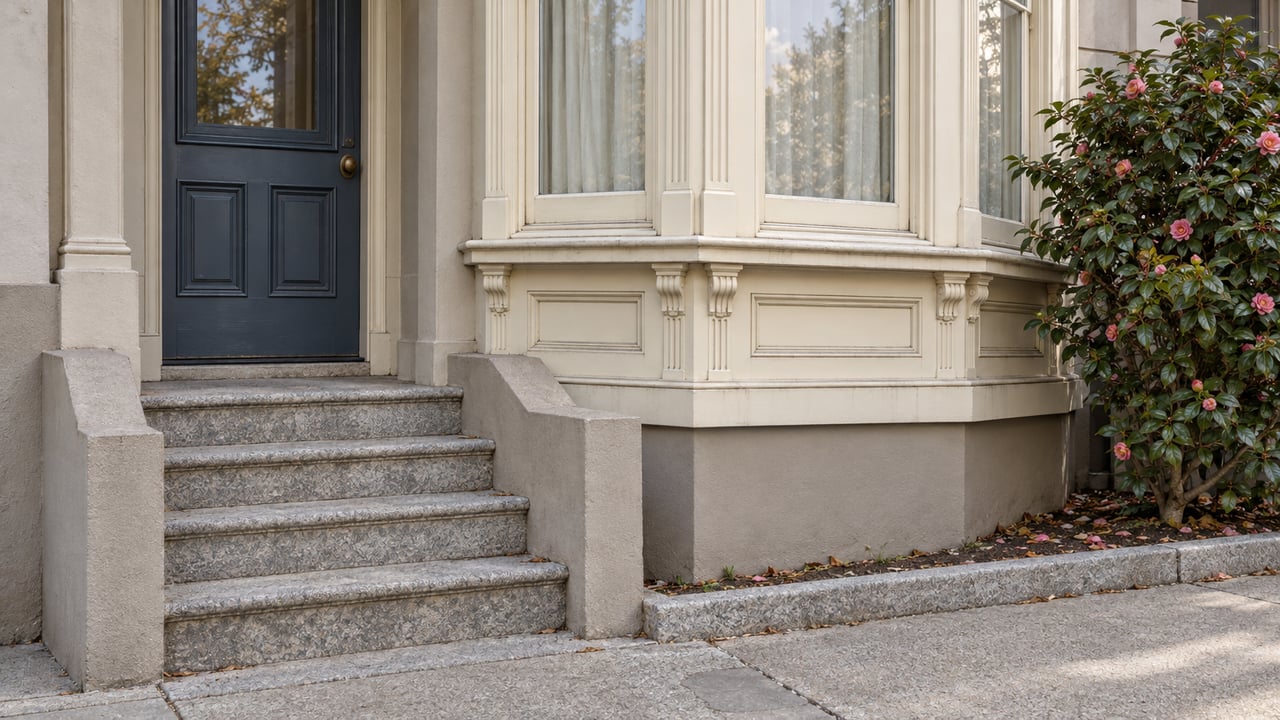
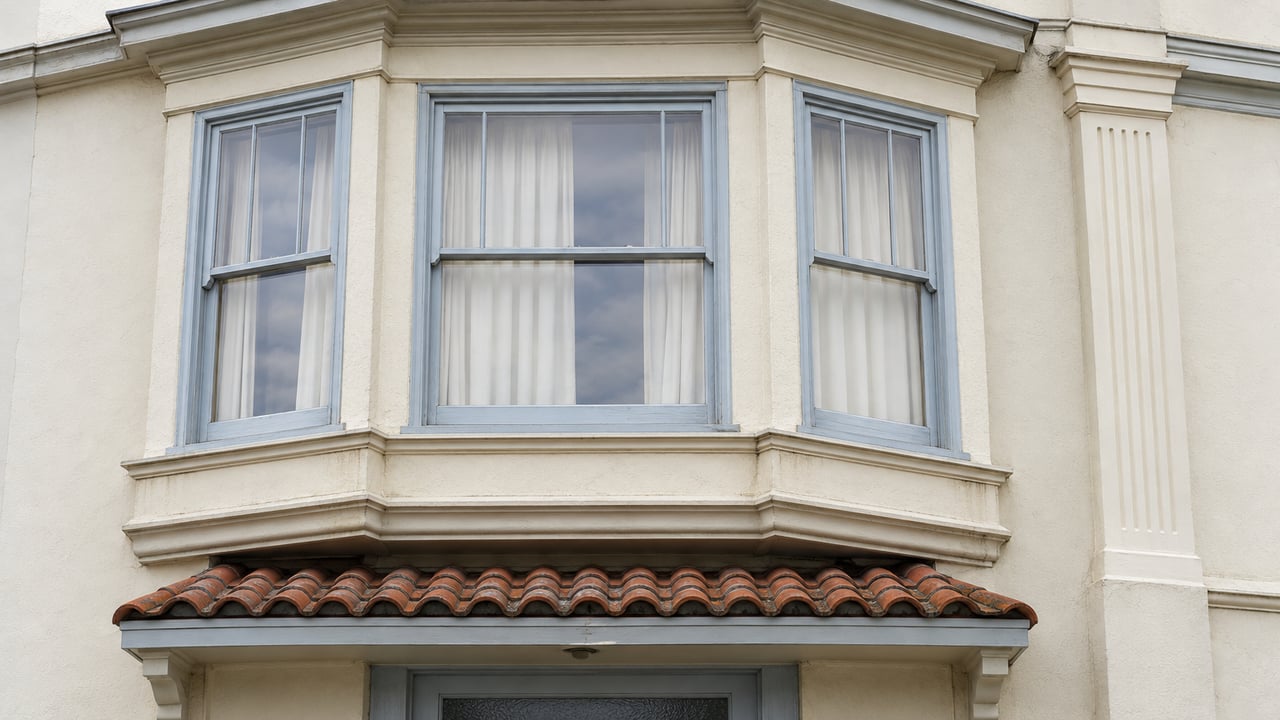
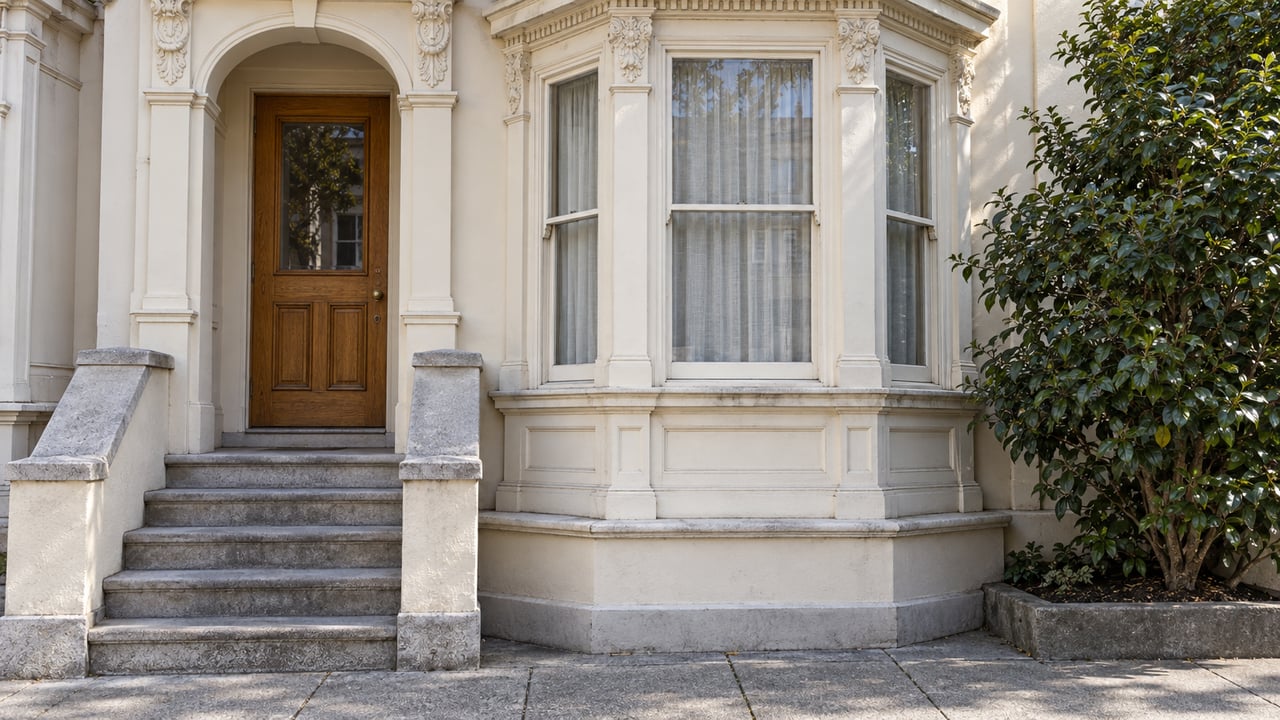
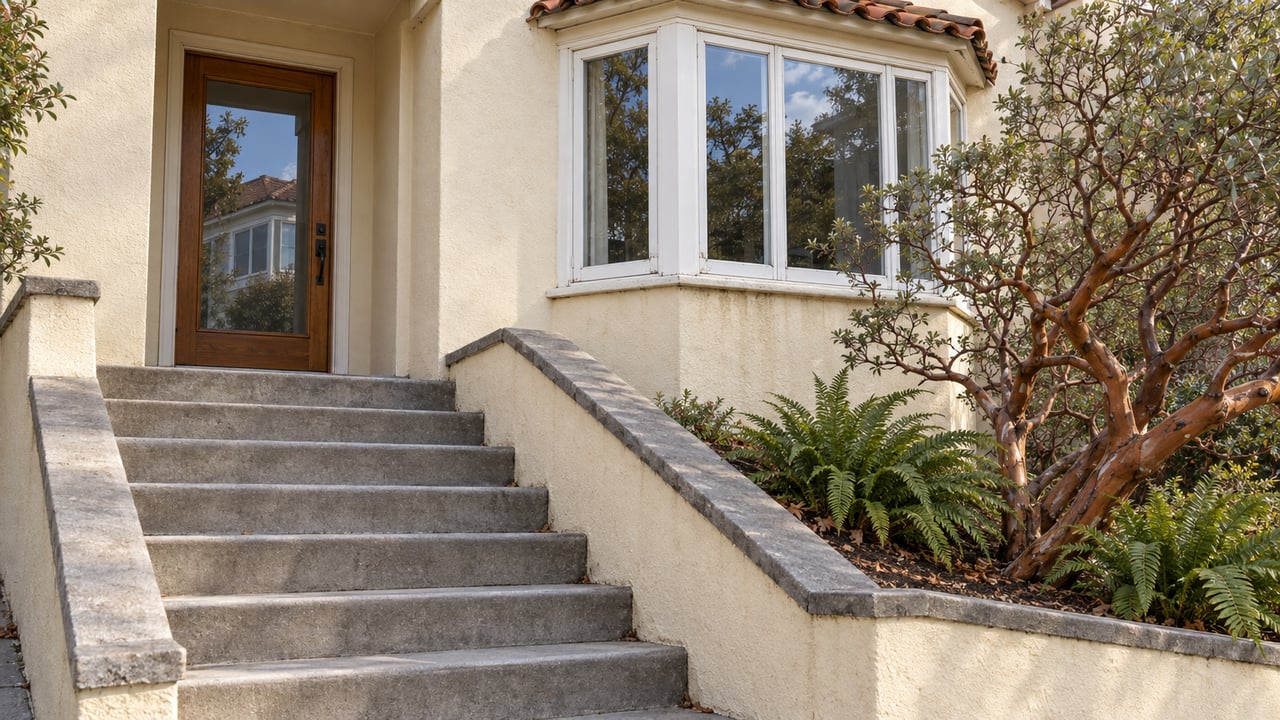
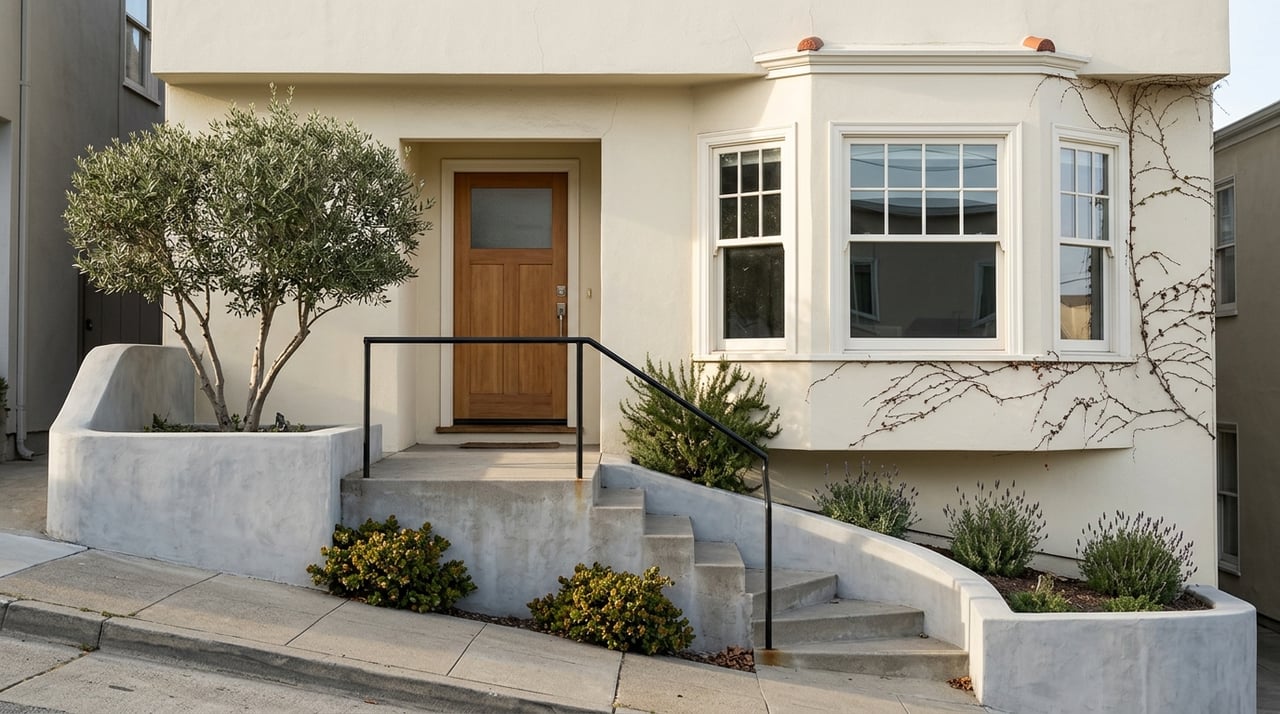
That history shows up in the housing stock. Local sources describe a mix of Victorian cottages, modest mid-century four- and five-room homes, and Mediterranean Revival houses. The overall impression is a low-rise residential neighborhood with compact detached homes and smaller-scale period houses rather than a landscape dominated by large multifamily buildings.
For buyers, that often means you may see more variation from block to block than you would expect in a small area. For sellers, it means the story of a home matters here. Architecture, setting, and how a property fits into the hillside streetscape can all shape buyer interest.
Hidden Gems In Sunnyside
One of Sunnyside’s biggest strengths is that some of its best features are easy to miss if you only drive through once. This is a neighborhood that rewards a closer look.
Sunnyside Conservatory
The Sunnyside Conservatory at 236 Monterey Boulevard is one of the neighborhood’s most memorable public spaces. San Francisco Recreation and Park describes it as a hundred-year-old garden with drought-tolerant plantings, succulents, palms, and an octagonal redwood conservatory dating to around the turn of the 20th century.
Friends of Sunnyside Conservatory describe it as a public gathering space open daily. For residents, that means a beautiful local spot that can add a little charm to an ordinary walk or weekend afternoon.
Sunnyside Playground
Sunnyside Playground offers another neighborhood-scale amenity. Located at Teresita and Melrose, it includes a playground, picnic areas, tennis courts, basketball, a clubhouse, and restrooms.
That kind of practical recreation space matters in a residential neighborhood. It gives you an easy option for outdoor time without planning a full city outing.
Balboa Park Nearby
Balboa Park is a major nearby asset for Sunnyside residents. According to BART’s station information, the park includes a public swimming pool, children’s playground, baseball diamonds, and tennis courts.
Even though Balboa Park is not the same as Sunnyside itself, it plays a big role in how the area lives day to day. It expands your nearby options for recreation and helps round out the neighborhood’s amenity mix.
Daily Life And Convenience
Sunnyside is not a neighborhood of endless commercial strips, and that is part of its appeal. Instead, daily convenience is concentrated in a few practical corridors.
The Sunnyside Neighborhood Association identifies Monterey Boulevard as the neighborhood’s primary shopping street. There you will find small businesses, restaurants, cafes, and a Safeway. For many residents, Monterey Boulevard covers the basics close to home.
For a wider mix of neighborhood-serving shops and services, the broader Ocean Avenue corridor nearby is another key destination. Planning documents for the Balboa Park Station area describe Ocean Avenue as the primary commercial and retail spine in the larger area.
This setup works well for people who want a residential setting without feeling cut off. You can keep your home base in a quieter hillside area, then handle errands and casual outings nearby.
Transit Access In Sunnyside
For many San Francisco buyers and renters, transit can shape neighborhood fit just as much as housing style. Sunnyside benefits from being close to Balboa Park Station, which helps connect the neighborhood to the rest of the city and the region.
BART describes Balboa Park as a Geneva Avenue station with no parking, reinforcing its role as a transit-first hub. SFMTA also shows the J Church turning onto Ocean Avenue and into Balboa Park Station, while the M Ocean View connects downtown San Francisco to Balboa Park through the Twin Peaks Tunnel.
That combination can be especially useful if you want a quieter home environment but still need workable public transit. Depending on where you land within Sunnyside, access to Balboa Park and Ocean Avenue can be a meaningful lifestyle advantage.
What Living In Sunnyside May Feel Like
Sunnyside tends to appeal to people who want a residential neighborhood with a little breathing room in its layout and rhythm. It is not defined by nonstop activity. Instead, it offers hillside streets, architectural character, local gathering spots, and a practical connection to shopping and transit.
In many ways, the neighborhood’s appeal comes from balance. You get a setting that feels somewhat removed from the city’s faster pace, but you are still close to important services, transit lines, and open space.
That balance can be attractive whether you are buying your first San Francisco home, moving within the city, or looking for a property with enduring neighborhood character. It can also matter to sellers, because buyers often respond strongly to neighborhoods that offer both personality and practicality.
Who Sunnyside May Suit Best
Every San Francisco neighborhood has its own rhythm, and Sunnyside will not be the right match for everyone. But it can be a strong fit if you are looking for:
- A quieter residential setting within San Francisco
- Compact homes with period or mid-century character
- Nearby parks and local open space
- Useful transit access through Balboa Park
- Everyday shopping and services close to home
- A neighborhood that feels tucked away without being disconnected
If that sounds like your kind of San Francisco, Sunnyside is worth exploring in person. A few blocks can tell you a lot here, especially because the neighborhood’s topography and housing mix create a more layered experience than a map alone can show.
Why Local Guidance Matters Here
Sunnyside is the kind of neighborhood where details matter. Street grade, proximity to Monterey Boulevard or Balboa Park, housing style, and even where a home sits within the neighborhood can all shape how a property feels and how buyers respond to it.
That is why local context is so important, whether you are buying, selling, relocating, or evaluating a long-term investment. In a neighborhood with hidden gems and subtle differences from block to block, good guidance helps you see past the listing sheet and understand the full story of place.
If you are curious about Sunnyside, thinking about a move, or planning to sell a home in this part of San Francisco, Stephanie LeBeau can help you navigate the neighborhood with insight, strategy, and a personal touch.
FAQs
What is Sunnyside in San Francisco known for?
- Sunnyside is known for its south-facing hillside setting, residential feel, period and mid-century homes, and local spots like the Sunnyside Conservatory, Sunnyside Playground, and nearby Balboa Park.
What types of homes are common in Sunnyside?
- Local sources describe Sunnyside as having Victorian cottages, modest mid-century homes, and Mediterranean Revival houses, with a generally low-rise residential character.
Is Sunnyside well connected to transit?
- Yes. Sunnyside benefits from proximity to Balboa Park Station, and nearby transit includes BART as well as the J Church and M Ocean View lines.
What are the main shopping areas near Sunnyside?
- Monterey Boulevard is Sunnyside’s main shopping street, with small businesses, restaurants, cafes, and a Safeway, while the nearby Ocean Avenue corridor adds more neighborhood-serving shops and services.
Are there parks and open spaces near Sunnyside?
- Yes. Sunnyside has the Sunnyside Conservatory and Sunnyside Playground within the neighborhood, and Balboa Park nearby offers additional recreation options including a pool, playground, baseball diamonds, and tennis courts.