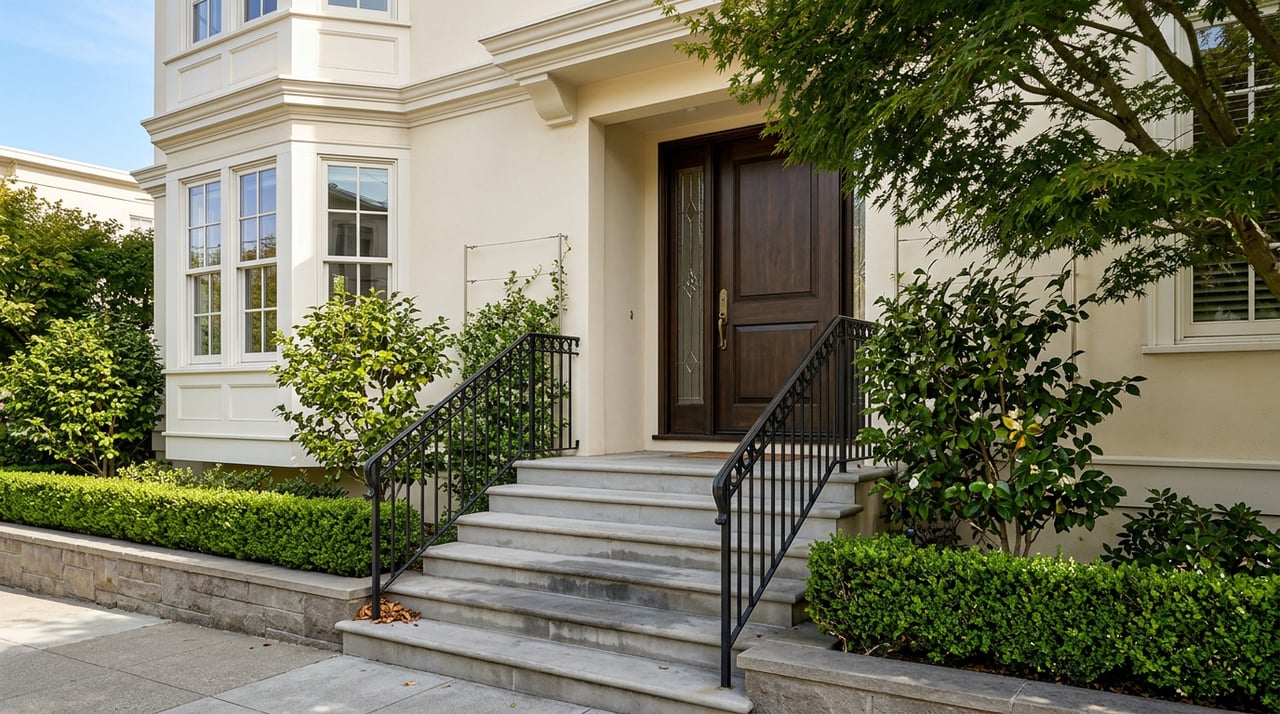
Selling a luxury home in Pacific Heights is not like selling anywhere else. The right story, visuals, and launch plan can shape how buyers perceive your property and, ultimately, what they are willing to pay. If you value discretion, timing, and a polished process, you are in the right place. Below is a clear, step-by-step plan to position your Pacific Heights residence for a confident sale. Let’s dive in.
Know your Pacific Heights buyer
Pacific Heights attracts a focused set of buyers who value privacy, provenance, and lifestyle. Many are local or relocating executives, founders, and private‑wealth clients who prefer certainty and speed. Cash or cash‑heavy offers are common in the ultra‑luxury tier, and pre‑closing logistics need to be crisp and confidential.
Recent headline sales and listings in the tens of millions continue to set the ceiling for best‑in‑class homes in the district. These examples help justify pricing on unique estates and guide media strategy for notable properties. You can see how these trophy results influence market tone in recent coverage of standout sales in San Francisco’s luxury segment, including Pacific Heights and nearby “Billionaires Row” properties, in the San Francisco Chronicle’s reporting on notable estate transactions. Coverage of recent ultra‑prime sales helps set expectations.
Stage for impact
In a premium market, staging is not cosmetic. It is a strategic investment that helps buyers connect with the lifestyle your home delivers. National research shows staging can reduce time on market and support stronger offers. According to a recent NAR report, staged homes often present better online and in person, which is essential when first impressions drive showing requests and buyer urgency.
Staging priorities that move offers
- Focus on the living room, primary suite, kitchen, and principal entertaining spaces. These rooms signal value and lifestyle.
- Use elevated, seasonal furnishings and tasteful art that match your home’s architecture and view lines.
- Keep surfaces and sightlines clean to highlight volume, natural light, and symmetry.
- For vacant homes, plan for full physical staging rather than virtual alone. Use virtual selectively to support pre‑launch teasers.
For more guidance on what to stage and how buyers respond, review NAR’s staging resources.
Level up your visuals
Your media package should feel like a magazine feature. Buyers expect a cinematic experience that conveys scale, provenance, and flow. At minimum, plan for:
- 25–40 curated photos, including a twilight exterior hero image.
- A short lifestyle video package (90–180 seconds) with smooth walk‑through sequences and detail cutaways.
- A complete 3D tour and accurate, to‑scale floor plans.
- A dedicated property website and a polished digital brochure for vetted distribution.
Strong visuals do more than attract clicks. They create a narrative that supports a confident list price and helps serious buyers show their advisors why your home is the right one.
Aerials and legal must‑knows
Aerial footage can be powerful, but it must be done correctly. Commercial drone work requires a Part 107 certified pilot, a registered drone with Remote ID, and compliance with airspace rules. Review the FAA’s guidance on small unmanned aircraft to understand the standards a pro should meet. See the FAA Part 107 overview.
California also protects privacy in and around private property. Capturing images of people in private activities without consent can violate state law. Learn more in California Civil Code §1708.8. In San Francisco, controlled airspace and park rules further limit where and how you can fly. The solution is simple: hire a vetted, insured Part 107 pilot, confirm authorizations in advance, and keep neighboring properties out of frame.
Choose your launch strategy
Luxury sales are won in planning. Decide upfront whether your goals call for a broad public launch or a measured, private rollout.
- Public, premium launch. Maximum exposure across MLS and international channels can be ideal for rare view homes and architecturally significant estates.
- Private, curated launch. When privacy matters most, a limited, invitation‑only campaign allows for vetting, NDAs, and a quieter test of price sensitivity.
Rules for listing timing and distribution are evolving. As of March 25, 2025, NAR introduced “Multiple Listing Options for Sellers,” which formalizes delayed‑marketing choices where local MLSs adopt them. Read the NAR policy overview and confirm the current implementation with San Francisco’s MLS resources, including SFAR’s Clear Cooperation FAQ. If you opt for a privacy‑first path, use written disclosures and document the tradeoffs.
When a private rollout fits
A private test is useful when your priorities are discretion, tighter control over showings, and real‑time feedback before a wide release. Best practices include:
- Vetted introductions from buyer agents, plus proof of funds or lender pre‑approval.
- A confidentiality agreement before sharing a full data room or disclosures.
- A password‑protected microsite, limited photo set, and an anonymized fact sheet.
- A defined test window, written feedback, and a scheduled decision date.
Price with precision
Comps are thin at the ultra‑prime level, so pricing is about evidence, narrative, and execution. Use a comp set that blends recent closed sales, active competitors, and credible off‑market indicators. Support your ask with best‑in‑class presentation and a credible campaign.
High‑visibility estate sales reported in recent years help justify ceilings for exceptional properties. Referencing notable transactions covered by the San Francisco Chronicle can help frame expectations for buyers and appraisers when your home belongs in that conversation.
Tactics that create leverage
- Aspirational list with room to negotiate. This can work when your property is truly unique and presentation is flawless.
- Controlled sealed‑bid window among vetted buyers. Useful for privacy and speed when the seller is prepared to accept the best qualified offer.
- Short private test before a full public “IPO.” Use early feedback to refine pricing and media, then launch broadly if needed.
Protect privacy and manage showings
Luxury showings should feel effortless and secure. Set expectations in your listing agreement and showing instructions so everyone follows the same playbook.
- Require agent accompaniment, ID, and buyer pre‑qualification before private tours.
- Use NDAs for detailed disclosures or when the seller requests confidentiality.
- Limit open house activity, favoring scheduled showings with a trained host or concierge.
- Establish a media policy: what may be photographed during tours and how materials are shared.
Timeline: what to expect
A smooth campaign follows a structured calendar. Here is a typical flow you can tailor to your goals:
- Preparation and light improvements (1–6 weeks). Corrective repairs, systems check, deep clean, and a staging plan. Consider targeted refreshes that support the lifestyle story.
- Production (1–2 weeks). Photography, 3D scan, video, floor plans, property website, and a polished brochure.
- Optional private test (1–3 weeks). Curated outreach, feedback collection, and a clear decision date.
- Public campaign (4–12 weeks). Broker previews, private invitations, and targeted public relations, monitored weekly.
Metrics that matter
Track the signals that correlate with real demand, not just clicks. Your weekly report should include:
- Qualified inquiries and showings (with proof of funds and NDA where required).
- Private showings completed and time to first qualified offer.
- Offers received, terms, and sale‑to‑list ratio.
- Days on market and which channels produced the most serious buyers.
Build the right team
Premium results require specialists. Your core roster should include:
- A listing broker with deep Pacific Heights experience to lead strategy and compliance.
- A luxury stager with access to elevated inventory and art rental.
- A high‑end photographer and cinematographer for interior, exterior, twilight, and lifestyle coverage.
- A 3D tour and floor‑plan pro for accurate, to‑scale deliverables.
- A Part 107 certified, insured drone operator where aerials are feasible. Review FAA Part 107 requirements.
- Real estate counsel and escrow support familiar with California luxury transactions.
- An appraiser experienced with San Francisco’s ultra‑prime comps.
- A trained showing concierge for privacy‑sensitive tours.
Why list with Stephanie LeBeau
You deserve a seasoned partner who treats your sale like a bespoke campaign. With 30+ years in San Francisco and a creative background in promotion, Stephanie brings neighborhood fluency, polished storytelling, and calm, client‑first negotiation. Her boutique practice within Vanguard Properties pairs high‑touch service with strong infrastructure across sales, leasing, and relocation.
Your property will benefit from editorial‑quality media, a dedicated microsite, curated outreach, and a smart launch plan aligned with your goals for price, privacy, and timing. When you are ready to talk next steps, connect with Stephanie LeBeau. Name Your Price, and let’s build the plan that gets you there.
FAQs
What makes Pacific Heights luxury buyers different?
- They value privacy, lifestyle, and certainty. Many are cash or cash‑heavy, want vetted showings, and respond to best‑in‑class presentation and clear, confident pricing.
How much does staging matter for a high‑end San Francisco sale?
- Research from NAR indicates staging can reduce market time and support stronger offers, especially when you focus on key spaces like the living room and primary suite. See NAR’s findings.
Are drones allowed for marketing my Pacific Heights home?
- Yes, with rules. A commercial operator must be Part 107 certified, follow FAA and local restrictions, and protect neighbor privacy under California law. Start with FAA Part 107 guidance and California Civil Code §1708.8.
What is delayed or private marketing, and is it allowed in San Francisco?
- NAR’s 2025 policy gives sellers more listing options where local MLSs adopt them. Review the NAR overview and check SFAR’s guidance to confirm what is currently permitted.
How long does it take to prepare a Pacific Heights home for market?
- Expect 1–6 weeks for prep and staging, 1–2 weeks for media and marketing assets, and 4–12 weeks for an active campaign, with an optional 1–3 week private test before a public launch.