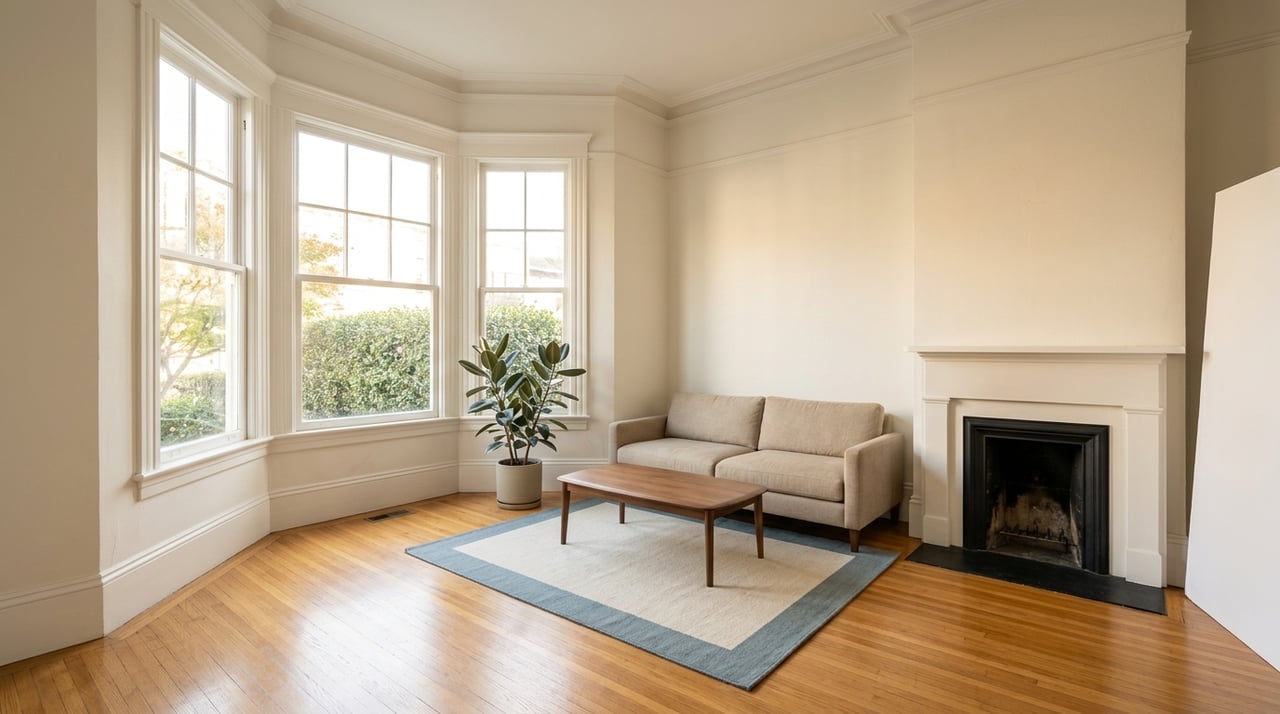
Selling a home in Miraloma Park is not just about putting a sign in the yard and waiting for offers. In this neighborhood, buyers often pay close attention to hillside siting, natural light, views, outdoor flow, and how well a home has been maintained over time. If you want a smoother sale and a stronger result, it helps to follow a clear plan from the very start. Let’s dive in.
Start with a Miraloma Park strategy
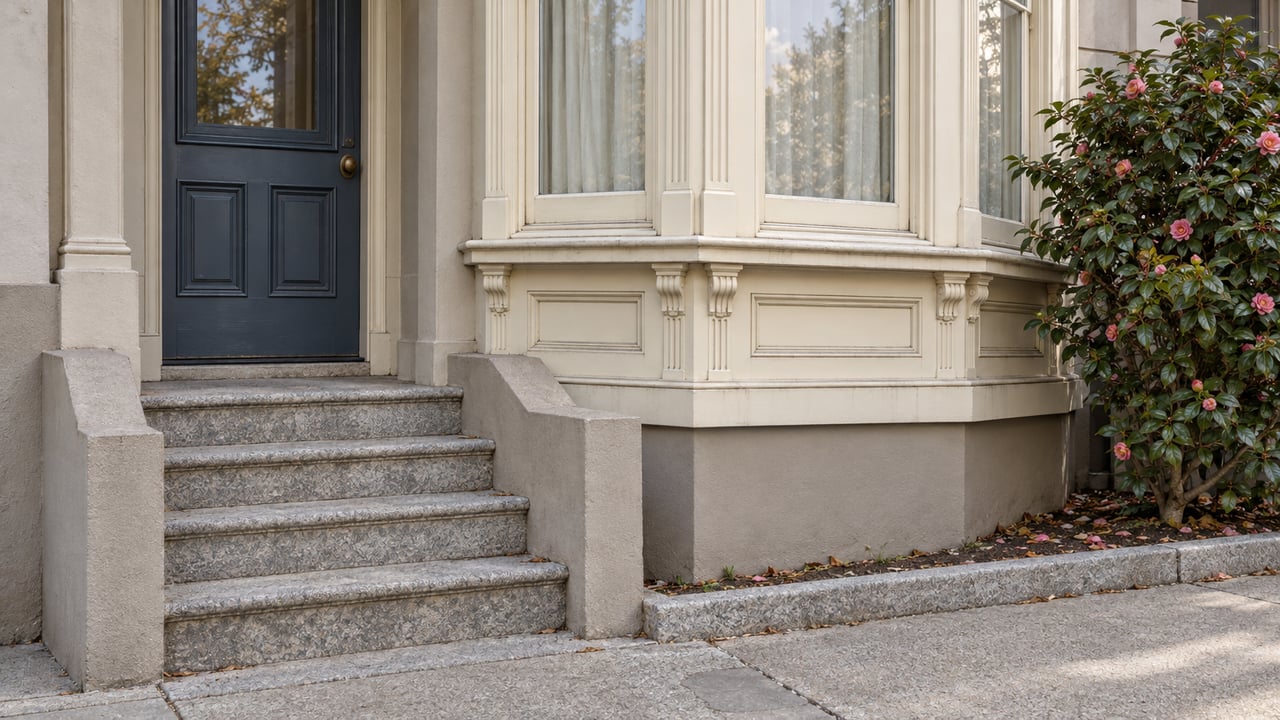
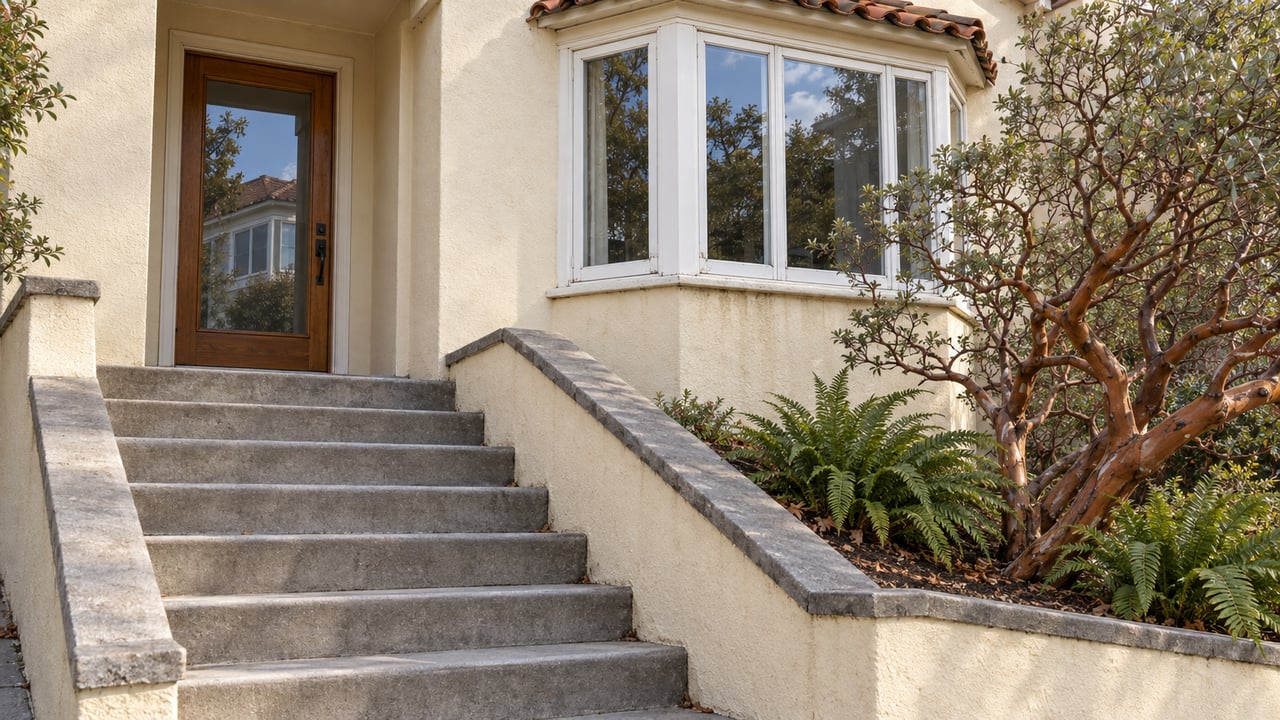
Miraloma Park has a distinct setting on the slopes of Mount Davidson, and that shapes how buyers see value. San Francisco Planning describes the neighborhood as having curving, tiered streets, low rooflines, and homes designed to capture views, light, privacy, and rear-yard greenbelt space.
That means your selling strategy should go beyond bedroom count or square footage. You want to position your home around the features that matter here, such as outlooks, hillside placement, indoor-outdoor connection, and the way the home fits its lot.
Gather records before you make updates
Before you spend money on repairs or cosmetic changes, pull together your key home records. This includes permits, warranties, contractor invoices, and any documents related to the roof, drainage, foundation, electrical, plumbing, and past remodels.
This step matters for two reasons. First, it helps you make smarter decisions about what really needs attention. Second, it supports a cleaner disclosure process once you go to market.
Check permit issues early
If you are considering work that goes beyond simple cosmetic prep, check permit requirements before starting. San Francisco Planning says residential projects in R-districts may be subject to design review under Section 311, and that review is used to ensure compliance with Residential Design Guidelines before approvals move forward.
The practical takeaway is simple: avoid rushing into unpermitted improvements right before listing. If a project needs review, you want to know that early so your timeline stays realistic.
Focus repairs on what buyers notice most
In Miraloma Park, buyers may pay close attention to how a home handles weather and hillside conditions. The neighborhood guidelines note a foggy, windy microclimate and explain that original design features like skylights, central patios, lightwells, and sheltered entries were used to maximize brightness and comfort.
Those same guidelines also point to hillside runoff and underground streams as factors that can affect foundation stability. For sellers, that makes drainage, retaining walls, and visible moisture management especially important areas to evaluate before launch.
Decide what is worth fixing
Not every item needs to be repaired before listing. A smart pre-sale plan usually focuses on:
- Drainage concerns
- Visible moisture issues
- Retaining wall condition
- Foundation-related red flags
- Roof maintenance records
- Electrical or plumbing issues with clear documentation gaps
- Cosmetic updates that improve light and flow
The goal is not to over-renovate. The goal is to reduce buyer uncertainty and make your home feel well cared for.
Prep the home and the paperwork together
A polished home launch is about more than cleaning, painting, and staging. California’s disclosure framework is built around what you actually know about the property, and the California Department of Real Estate says both the listing and selling agents must perform a reasonably competent and diligent visual inspection of 1-to-4-unit residential properties sold through them.
That means the condition of your home, your records, and your disclosures should all line up before the listing goes live. If they do not, issues often surface later during escrow, when they can create stress and weaken your negotiating position.
Build a clean disclosure package
Your disclosure prep should be thorough and current. Depending on the property and what you know, key items may include:
- Transfer disclosure materials
- Records of past repairs and improvements
- Permit history you can document
- Natural Hazard Disclosure Statement
- Lead-related disclosures for homes built before 1978 when applicable
- Smoking or nicotine residue disclosure if you know of residue or a history of smoking on the property
Miraloma Park includes many homes built from the 1920s through the 1950s, so lead-based paint disclosure may come up often here. For most pre-1978 housing, federal lead disclosure rules require sellers to disclose known lead information, provide available records and reports, and allow buyers time to conduct a lead inspection or risk assessment.
Verify hazard status instead of guessing
California Civil Code requires a Natural Hazard Disclosure Statement covering mapped flood, dam inundation, fire, earthquake fault, and seismic hazard zones. If a property is in a high or very high fire hazard severity zone and was built before January 1, 2010, the seller must also provide the additional fire-zone notice required by law.
As of July 1, 2025, that notice also includes a list of low-cost wildfire retrofits and the seller’s awareness of certain ember-vulnerability features. The key is not to assume your property’s status. Verify it and disclose accordingly.
Price for Miraloma Park’s real value drivers
Miraloma Park is not a neighborhood where pricing should rely on broad averages alone. San Francisco Planning’s neighborhood guidance makes clear that views, elevation, light, lot positioning, and the way a home steps with the hillside are central to its character.
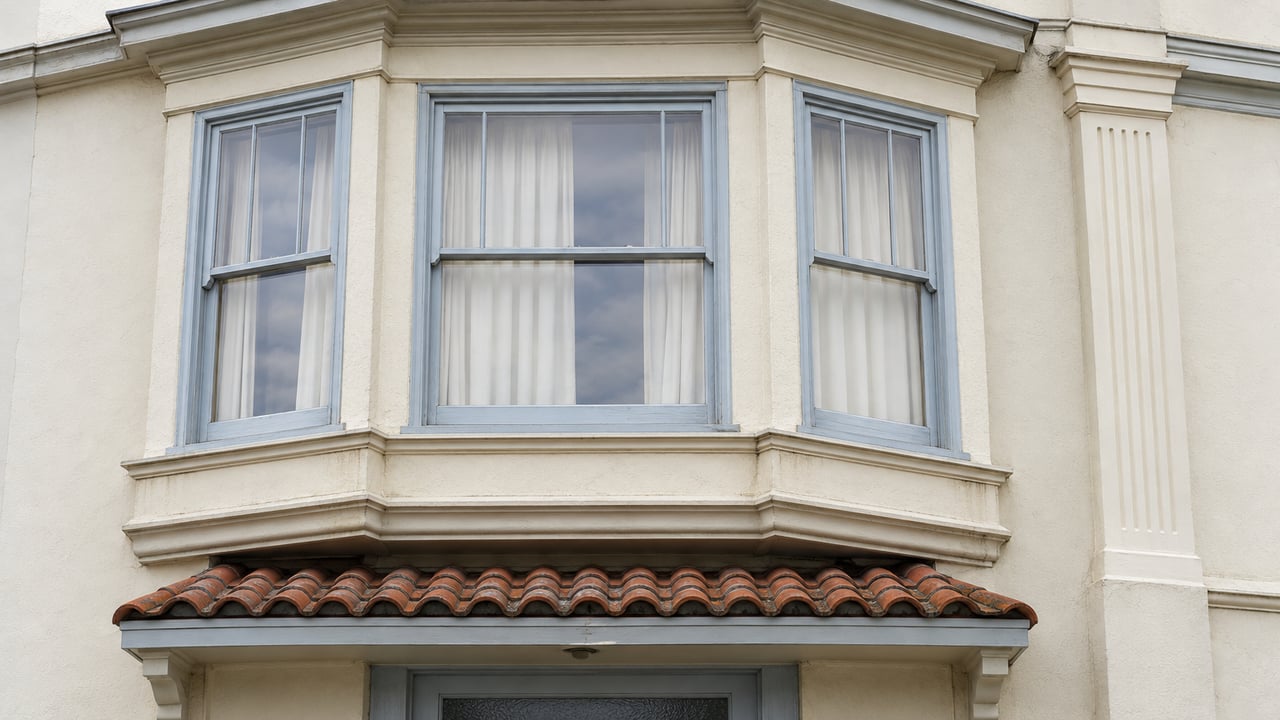
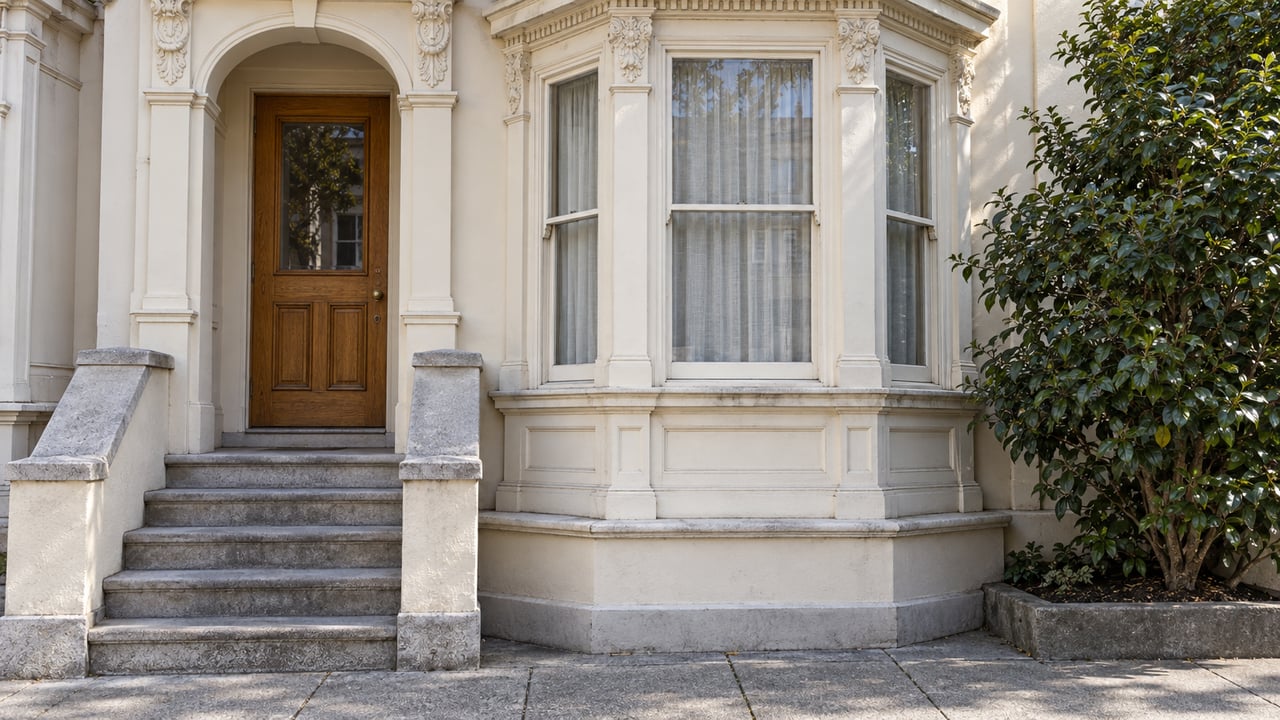
The neighborhood also includes a mix of one-story-over-garage homes, later two-story-over-garage homes, prewar romantic styles, and simpler postwar and 1950s facades. That variety can create very different buyer reactions from one block to the next.
What should shape your price
A thoughtful pricing discussion should weigh factors such as:
- View quality
- Natural light
- Elevation and siting
- Usable outdoor space
- Patio, deck, or terrace appeal
- Garage and parking configuration
- Indoor-outdoor flow
- Overall condition and documentation
This is where neighborhood-level experience matters. Two homes with a similar layout can have very different market appeal based on outlook, hillside usability, and the feel of the living spaces.
Market the lifestyle, not just the floor plan
In Miraloma Park, great marketing should tell the story of the home and the setting together. The strongest buyer interest often comes from seeing how the property captures daylight, connects to outdoor space, and takes advantage of its position on the hill.
That story should come through in photography, staging, open houses, and listing language. A home here often shows best when buyers can quickly understand its light, shelter, privacy, and relationship to the landscape.
Highlight the right visuals
For many Miraloma Park homes, the most important images are:
- The view or outlook
- Rear yard space
- Patio or deck areas
- Bright living spaces
- Skylights, lightwells, or central patios
- The connection between interior rooms and the landscape
The neighborhood setting can also support a lifestyle-focused presentation. Nearby recreation includes Mt. Davidson Park, which is San Francisco’s highest point at 938 feet with trails and forested open space; Glen Canyon Park, with 60 acres of wilderness and a 3.7-mile trail network; and Miraloma Playground, which offers active recreation features.
Follow California image rules
If digitally altered images are used in marketing, California now requires a disclosure that the image was digitally altered and access to the original unaltered image. This is an easy detail to miss, so it is best handled as part of the marketing plan from the outset.
Use open houses strategically
Open houses can do more than bring people through the front door. The California Department of Real Estate notes that an open house can be a valuable marketing tool because the seller’s broker can highlight selling points and gather buyer feedback to report back to the seller.
In Miraloma Park, that feedback can be especially useful. Buyers may respond strongly to light, views, stair access, parking, yard usability, or signs of drainage management, and those reactions can help sharpen your next steps if the first weekend does not produce the right offer.
Bring in the right professionals early
The best time to build your selling team is before repairs are finalized and before pricing is set. According to the California Department of Real Estate, the agent’s visual inspection and market guidance feed directly into disclosure prep and launch strategy.
If your home has older systems, visible hillside concerns, or a more complex ownership history, it also helps to involve inspectors, contractors, title, escrow, and a tax advisor early. That way, you can spot issues before they become deal problems.
Who to involve and when
| Professional | Best time to involve them | Why it matters |
|---|---|---|
| Real estate agent | Before repairs and pricing | Guides prep, pricing, disclosures, and launch |
| Contractor or inspector | Early in planning | Identifies major condition concerns |
| Title and escrow | Once you are serious about selling | Helps prepare for contract handling and closing |
| Tax advisor | Early if your situation is complex | Helps you plan for net proceeds and tax questions |
Know your likely negotiation pressure points
Once you accept an offer, the conversation often shifts from marketing to math. Your final net proceeds may be shaped by inspection findings, repair requests, credits, title and escrow costs, and San Francisco transfer tax.
That is why it helps to discuss your likely net early, not at the end of escrow. Knowing your numbers ahead of time gives you a stronger footing when offers and counteroffers start moving.
Understand transfer tax in San Francisco
The San Francisco County Recorder Division fee schedule effective July 1, 2025 shows a tiered transfer tax. It ranges from $2.50 per $500 for consideration between $100 and $250,000 up to $30.00 per $500 for $25 million or more.
The Recorder Division also states that a Transfer Tax Affidavit must accompany documents submitted for recordation when transfer tax is due or an exemption is claimed. While the exact amount depends on your sale price and circumstances, it is smart to include this cost in your early planning.
Follow a simple step-by-step plan
If you want to keep the process manageable, follow this order:
- Gather records, permits, warranties, and repair history.
- Review any potential permit or design-review issues before making updates.
- Identify condition concerns, especially drainage, moisture, retaining walls, and older systems.
- Prep disclosures and verify hazard-related requirements.
- Price around Miraloma Park’s true value drivers, not just square footage.
- Launch marketing that highlights views, light, hillside fit, and outdoor flow.
- Use buyer feedback and open house response to guide negotiations.
- Track your expected net proceeds early, including transfer tax and likely escrow costs.
Selling in Miraloma Park is part strategy, part storytelling, and part careful preparation. When you match the home’s presentation to what buyers in this neighborhood actually value, you give yourself a better chance at a cleaner, more confident sale.
If you are thinking about selling and want a thoughtful plan built around your home, your timing, and your target price, Stephanie LeBeau can help you map out the next steps.
FAQs
What should I fix before selling a Miraloma Park home?
- Focus first on issues that affect buyer confidence, such as drainage, moisture management, retaining walls, foundation-related concerns, and documented roof, electrical, or plumbing issues.
How should I price a Miraloma Park home in San Francisco?
- Pricing should reflect neighborhood-specific factors like views, light, elevation, lot siting, outdoor usability, parking, and indoor-outdoor flow, not just size and bedroom count.
What disclosures matter when selling a Miraloma Park home?
- Common disclosures may include transfer disclosures, Natural Hazard Disclosure Statement, lead-related disclosures for applicable pre-1978 homes, and any required notices tied to fire hazard zones or known smoking history.
Do Miraloma Park sellers need to worry about permits before listing?
- Yes, especially if you are planning work beyond cosmetic prep, because San Francisco residential projects may trigger design review or permit requirements.
Why do buyers pay attention to drainage in Miraloma Park?
- Miraloma Park’s hillside setting and neighborhood guidance make drainage, runoff management, and moisture control important topics during buyer review and inspections.
Are open houses useful for selling a Miraloma Park home?
- Yes, open houses can help showcase views, light, and outdoor flow while also generating buyer feedback that can sharpen pricing or negotiation strategy.