Heard the term TIC while scrolling listings in the Mission and wondered what it actually means for you? You are not alone. Tenancy in Common can be a smart path into homeownership in San Francisco, especially in older neighborhoods where condos are scarce and whole buildings are pricey. In this guide, you will learn what a TIC is, how it works day to day, how financing and resale differ from condos, and the steps to take before you buy. Let’s dive in.
TIC basics in San Francisco
A Tenancy in Common is a form of co-ownership. You and other owners each hold an undivided fractional interest in one property, and you live in a specific unit based on the TIC agreement. On title, you do not own a separate condo parcel. You own a percentage of the entire property and the agreement assigns occupancy rights to your unit.
A TIC is not a condo. Condos are created through a legal conversion that maps each unit as its own real estate parcel. Condos usually have easier access to conventional mortgages and separate loans for each unit. TICs rely more on contracts among co-owners to set rights and responsibilities.
Key documents guide how a TIC works. You will see a TIC Agreement that spells out ownership percentages, voting rules, assessments, and what happens if someone defaults. There is often an Occupancy Agreement or house rules that cover which unit you occupy, plus practical rules for pets, guests, and quiet hours. Many TICs also include a right of first refusal, so co-owners get a chance to buy your share before it goes to the open market.
Why TICs are common in the Mission
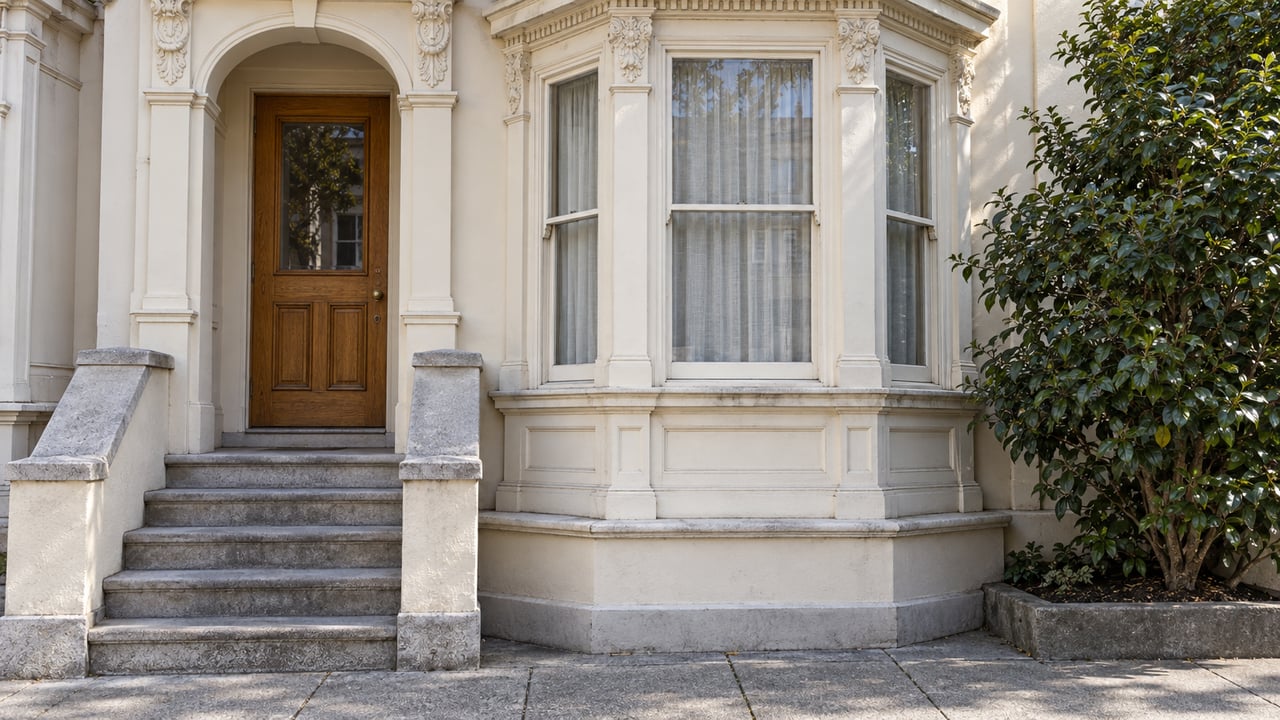
The Mission has many small multi-unit buildings from the early 1900s. Think two to six flats, Victorian or Edwardian walk-ups, sometimes with shared systems. Over the 1970s through the 1990s, many of these buildings became TICs instead of condos because it was simpler and less expensive than formal condo conversion. City rules around condo conversion also influenced this path.
Today, this history means you will find clusters of TICs across the Mission and nearby neighborhoods like Bernal Heights and the Western Addition. Buyers have long used TICs as a way to live in a favorite neighborhood at a lower entry price than buying an entire building. Many owner-occupants also rent other units as a house-hack strategy.
Typical Mission TICs look like classic flats or small walk-ups. One or more units are owner-occupied, and others may be rented. Some buildings share utilities or mechanical systems. Operationally, many TICs feel like small HOAs even though they are governed by contracts rather than the condo HOA statute.
How TIC governance works day to day
In a TIC, governance is contractual. The TIC Agreement functions like bylaws. It sets voting thresholds for maintenance, improvements, special assessments, or selling the building. Routine matters might be decided by majority. Big decisions can require a supermajority or unanimous consent.
Many TICs designate a managing member or small committee to pay bills, schedule repairs, and collect assessments. Some hire a property manager. The agreement should clarify how costs are split, either by ownership percentage or per unit, and what happens if someone pays late.
Before you buy, review the basics just like you would with an HOA. Ask about the operating budget, reserve fund, and how special assessments are handled. Confirm the master insurance policy and what individual coverage you must carry. Look for clear rules about rentals, pets, noise, and shared areas. Check for practical enforcement and dispute resolution, such as a mediation or arbitration clause.
Governance red flags
- No written TIC Agreement or a vague, outdated one.
- No reserve fund and clear signs of deferred maintenance.
- Frequent special assessments or ad hoc owner loans to cover emergencies.
- Poor financial records, missing budgets, or no meeting notes.
- Conflicts between occupancy agreements and actual use of units.
Financing a TIC in San Francisco
TIC financing works differently from the condo world. Most TIC buyers use fractional loans from lenders who specialize in TICs. Many large banks do not finance TIC interests. That narrows the lender pool and can affect pricing and timelines.
Expect different underwriting. Down payments are often higher than condo loans, frequently in the 20 to 30 percent range. Strong credit, a solid debt-to-income ratio, and cash reserves all help. Lenders tend to prefer owner-occupied TIC loans over investor loans. They will also review the TIC Agreement and house rules carefully. If the documents are vague or lender-unfriendly, approval can be denied.
Your loan will likely be a fractional mortgage tied to your undivided interest and your occupancy rights. Some buildings carry one shared loan, but separate fractional loans are common. Portfolio lenders and private lenders play a big role. Because these lenders hold loans on their own books, their products and pricing can change. Getting pre-approved with a TIC-experienced lender is a smart first step.
Refinancing can be harder than getting the original loan. There are fewer TIC refinance products, and cash-out options are limited. Appraisals can also be tricky. Appraisers need TIC comps in the neighborhood. If there are few recent TIC sales, the appraised value may come in low, which can affect loan size.
You should also confirm the details around FHA or VA products. Some TICs fit the guidelines, but many do not. Title and insurance need extra attention as well. Lenders often require endorsements and title policies tailored to fractional interests. A title company familiar with TICs is essential.
Practical financing tips
- Get pre-approved early with a TIC-savvy lender and share the TIC documents for review.
- Ask your lender how they treat rental income if you plan to house-hack.
- Speak with a local title company about endorsements and policy options for a TIC interest.
- Budget for higher down payment, possible rate differences, and adequate reserves.
Resale and marketability realities
A TIC can be a smart buy, but the resale path is not the same as a condo. The buyer pool is smaller because fewer lenders serve this niche. Some buyers are cash, and others need a specialized lender. That can create pricing sensitivity and slower days on market compared with similar condos. Location and condition still matter a lot.
Transfer restrictions can slow sales. Many TICs include a right of first refusal or co-owner approval. You must disclose these early. Buyers will also expect a full document package, including the TIC Agreement, financials, insurance, meeting minutes, and a history of assessments and repairs. Strong records build confidence.
Plan for title and insurance details. You will need clear title that reflects the TIC structure, with any liens or disputes resolved. Title insurance for fractional interests can require special endorsements. At closing, make sure all assessments are current and that payoff and estoppel letters are handled cleanly.
To improve resale, keep governance strong. Maintain reserves and document repairs. Keep house rules and transfer provisions clear and current. Work with an agent who understands which lenders and appraisers are active with TICs in your part of San Francisco, especially in the Mission.
Due diligence checklist for TIC buyers
Documents and financials
- TIC Agreement, Occupancy Agreement, and any house rules or bylaws
- Current operating budget and bank statements for TIC accounts
- Reserve fund balance and capital improvement history
- Meeting minutes from the past 12 to 36 months and assessment history
- Insurance policies, including master coverage and any required individual policy
- Preliminary title report, including liens, easements, and encumbrances
Building condition and services
- Recent property and pest inspections
- Status of plumbing, electrical, heating, and any shared systems
- Any past code violations or open city notices
- Access, parking, storage, and how utilities are metered and billed
Legal and governance
- Transfer restrictions, rights of first refusal, and lender consent rules
- Dispute resolution process and default remedies
- Whether any co-owner is in default or there is pending litigation
Financing and sale logistics
- Which lenders will finance the TIC interest and what they require
- Title company endorsements and policy options for TIC interests
- How lenders treat rental income if you plan to rent a unit
Pros and cons at a glance
Pros
- Lower entry price compared with a similar condo or whole building purchase.
- House-hacking potential if you live in one unit and rent others.
- Access to charming, historic neighborhoods like the Mission where condos can be scarce or more expensive.
Cons
- Fewer lenders, higher down payments, and possible rate differences.
- Smaller buyer pool at resale and appraisal challenges if TIC comps are thin.
- Governance risk if documents are weak or reserves are underfunded.
- Potential for special assessments and higher maintenance in older buildings.
- Extra title and insurance complexity.
Is a TIC right for you?
If you want to live in the Mission and value neighborhood character, a TIC can offer a more attainable path to ownership. It can also work well if you plan to house-hack and you are comfortable with a small community approach to decision-making. You trade some financing flexibility and resale speed for location and price.
Look closely at the building’s condition, the strength of the TIC Agreement, and the track record of the owners. If the documents are solid, reserves are healthy, and your lender is confident, a TIC can be a practical move that fits both your budget and your lifestyle in San Francisco.
How to move forward with confidence
- Partner with a real estate agent experienced with Mission TICs to spot strong buildings and surface red flags early.
- Secure pre-approval with a TIC-experienced lender who will review the TIC documents up front.
- Ask a real estate attorney to review the TIC Agreement and transfer provisions before you remove contingencies.
- Order thorough inspections and plan your first three years of maintenance and capital improvements.
- Keep your future resale in mind. Strong records and a clear agreement help you later.
Curious whether a Mission TIC fits your plan? Reach out for neighborhood-specific guidance, an introduction to TIC-savvy lenders, and a step-by-step path from offer to closing. Connect with Stephanie LeBeau and let’s map your options.
FAQs
What does “Tenancy in Common” mean for a Mission buyer?
- You own a fractional share of the whole property and live in a specific unit per the TIC Agreement, rather than owning a separate condo parcel on title.
How is a TIC different from a condo in San Francisco?
- A condo creates separate real estate parcels for each unit and usually has easier conventional financing, while a TIC relies on contracts among co-owners and often needs specialized fractional loans.
Can I finance a TIC purchase in the Mission?
- Yes, but you typically need a TIC-experienced lender, a higher down payment, strong reserves, and documents that the lender approves during underwriting.
Will a TIC let me rent out my unit?
- It depends on the TIC Agreement and local laws; many TICs allow rentals with rules, so review the occupancy agreement and any rental limitations before you buy.
What should I review before writing an offer on a TIC?
- Request the TIC Agreement, house rules, financials, reserve balance, meeting minutes, insurance policies, inspections, and a preliminary title report to assess risk and cost.
Is selling a TIC interest harder than selling a condo?
- It can be, due to a smaller buyer pool, transfer restrictions, and appraisal challenges, so plan ahead with clean documents, clear disclosures, and the right lender and appraiser partners.