Looking for a San Francisco neighborhood that gives you a little more breathing room without losing touch with the city? That is a big reason families keep coming back to Miraloma Park. If you want detached homes, access to open space, and practical commute options, this hillside neighborhood offers a mix that can be hard to find in San Francisco. Let’s dive in.
Detached homes shape daily life
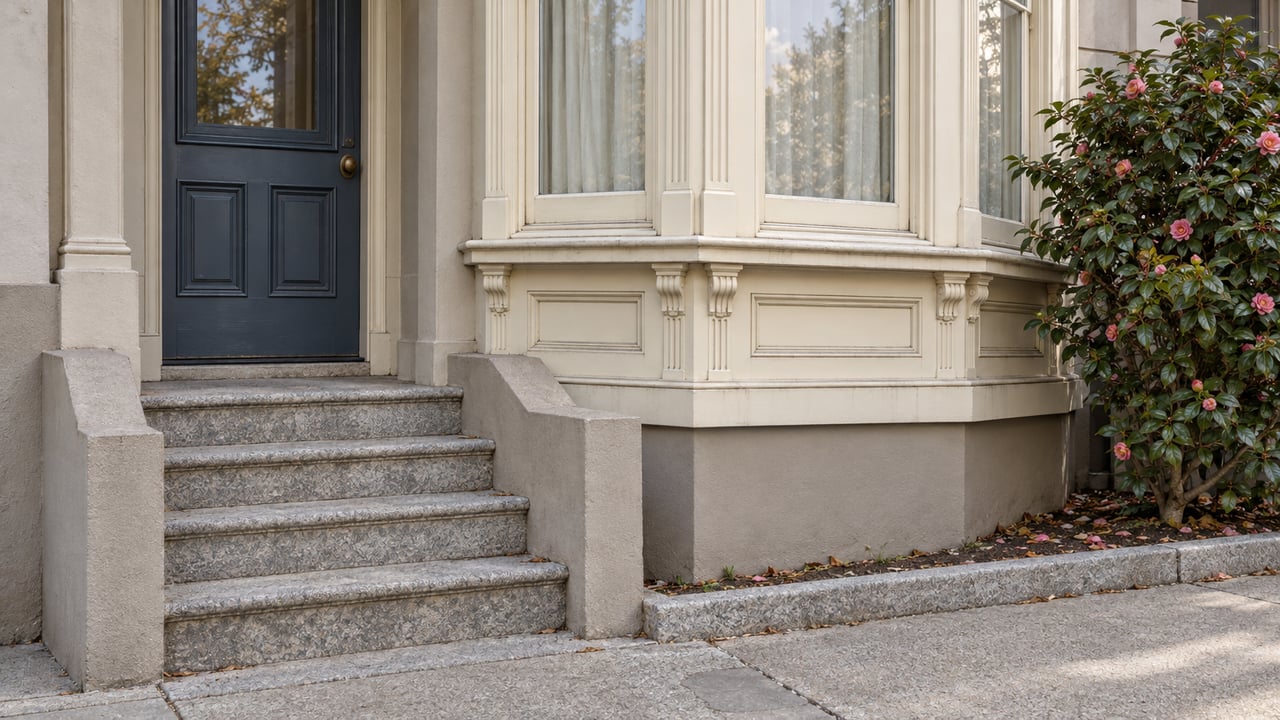
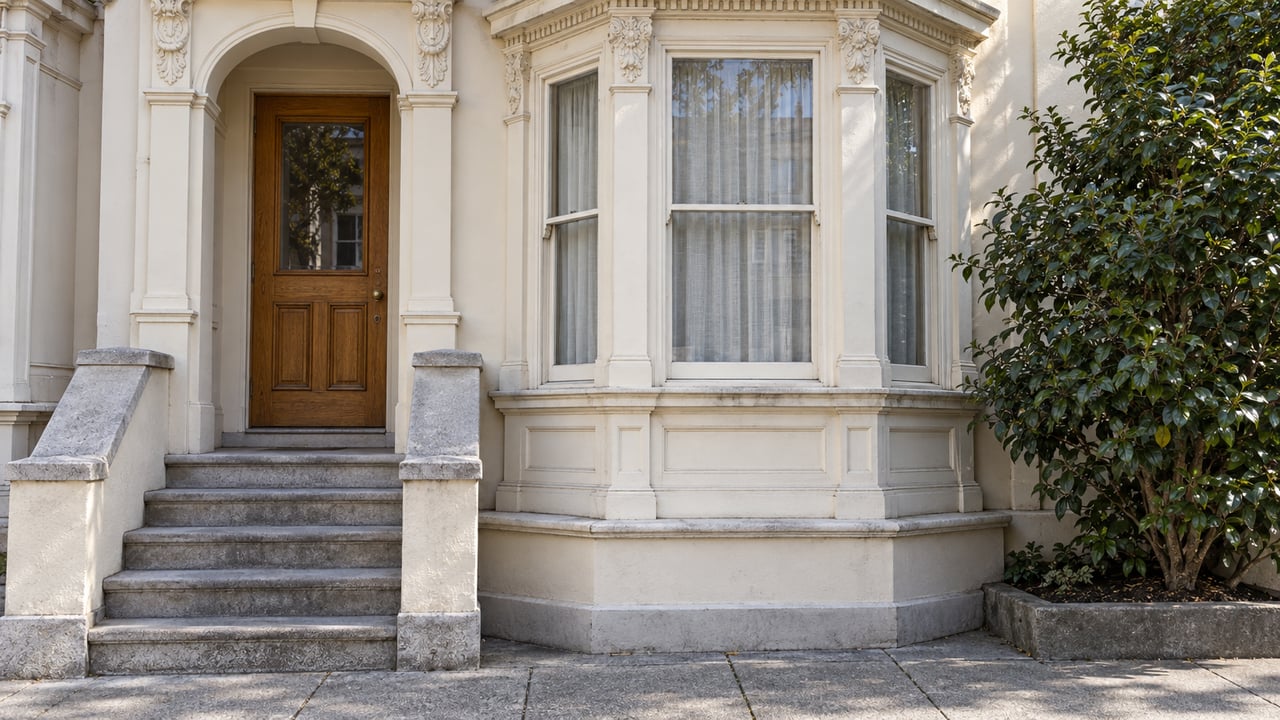
One of the clearest reasons Miraloma Park stands out is its housing pattern. According to the San Francisco Planning Department’s Miraloma Park design guidelines, the neighborhood is an RH-1 single-family district, meaning it was planned primarily for single-family homes rather than denser multiunit buildings.
That planning choice still shapes how the neighborhood feels today. For many buyers, it means a more residential rhythm, more detached-house living, and a setting that often includes yards, views, and a little more separation between homes than you may find in denser parts of the city.
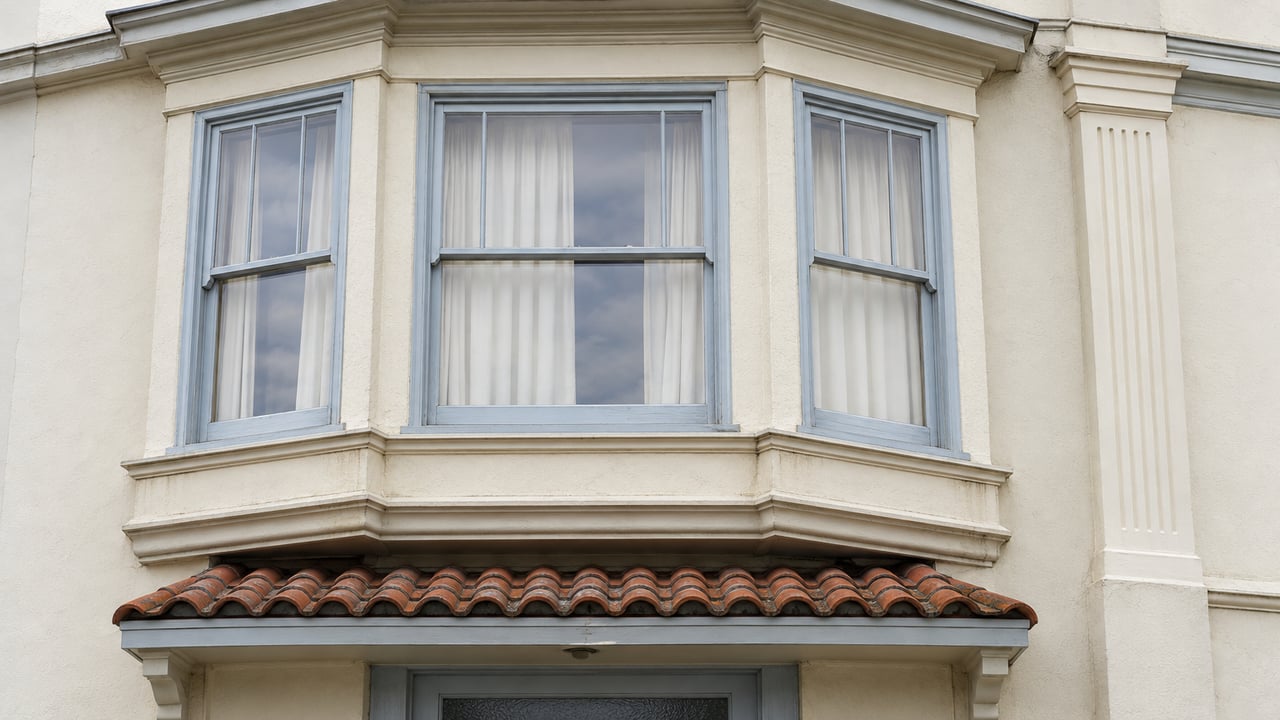
The neighborhood also developed over time. The same planning document notes a mix of pre-war homes from the 1920s and 1930s, transitional homes built from 1940 to 1955, and later homes from 1955 onward.
For you as a buyer, that means Miraloma Park is not one-note. You may find homes with older architectural character, later updates, or a blend of both, while the area still keeps its predominantly single-family profile.
Hillside design creates a distinct feel
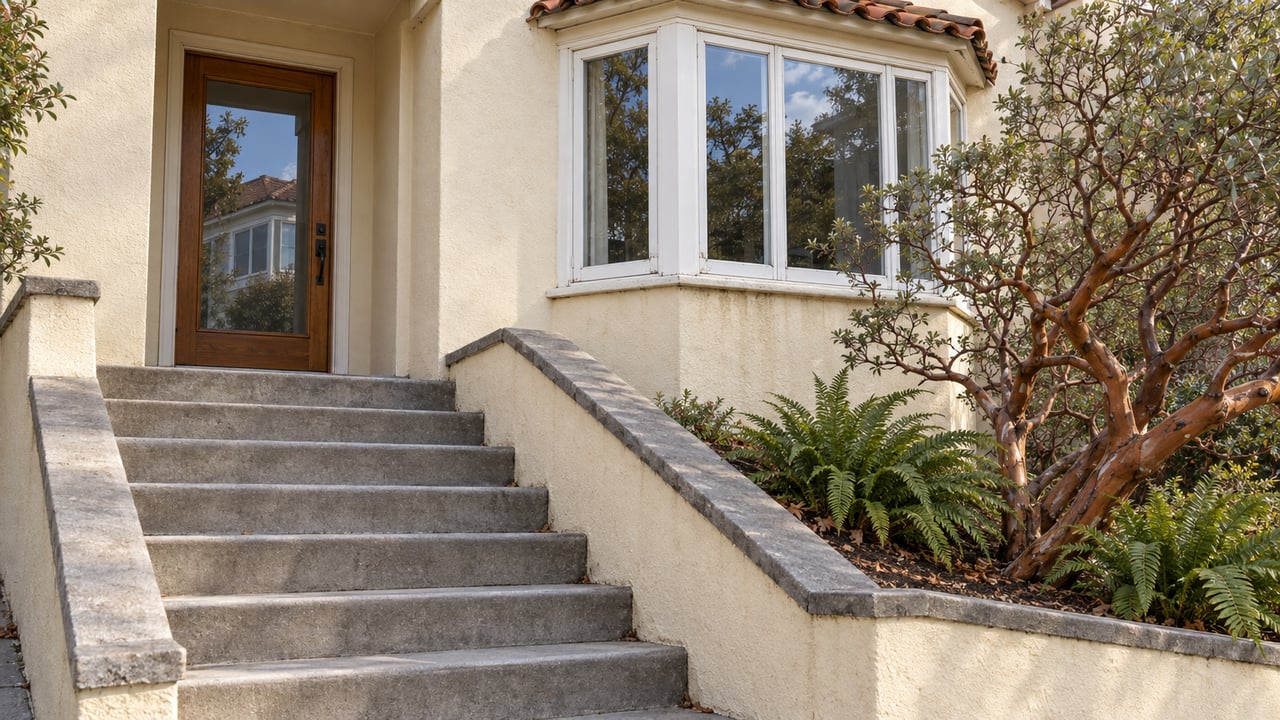
Miraloma Park sits on the north, south, and east slopes of Mount Davidson, which the city identifies as San Francisco’s highest peak. The neighborhood was designed with curving, tiered streets and low rooflines that work with the hillside terrain and help preserve views, according to the city’s design guidelines.
That gives the area a look and feel that many families find appealing. Instead of a tight grid and a dense urban core, you get a more tucked-away, neighborhood-scaled environment that still feels connected to the rest of San Francisco.
The Miraloma Park Improvement Club describes the neighborhood as roughly 2,200 single-family homes surrounding Mount Davidson, with 39 acres of public open space, a forested setting, and panoramic views. It also points to community gardens and a neighborhood emergency response group, which helps explain the area’s strong local identity.
Parks and trails are close by
For many families, outdoor access is not just a bonus. It is part of daily life. Miraloma Park has a strong case here because it sits near some of San Francisco’s most notable hillside green spaces.
Mount Davidson Park has more than 30 acres of forest, according to San Francisco Recreation and Parks. The department also notes that trail improvements included repairs to historic WPA-era rock stairs and retaining walls, which adds to the park’s appeal for regular neighborhood walks and weekend outings.
Glen Canyon Park is another major nearby draw. The research report notes that this 66.6-acre recreation area includes a 3.7-mile trail network, and the Creeks to Peaks Trail connects Glen Canyon Park to Twin Peaks over 1.8 miles.
If you want a neighborhood where getting outside can feel easy and routine, Miraloma Park checks an important box. You are not relying on one small pocket park. You are living near a broader network of hills, trails, and open space.
School access matters to many buyers
For households with young children, school access is often part of the search from day one. Miraloma Elementary School is located within the neighborhood at 175 Omar Way, and SFUSD lists it as a TK-5 school with an estimated enrollment of 375 students.
SFUSD’s school page also notes an on-site YMCA after-school program, a nearby SF Rec & Parks program, enrichment offerings, a school garden, and an active PTA. Those details help explain why the neighborhood often comes up in conversations with buyers looking for a family-oriented setting.
It is also important to stay practical. SFUSD’s School Finder is address-based, so school assignments should always be verified by specific property address rather than assumed for the whole neighborhood.
Another nearby option is Sunnyside Elementary School on Foerster Street in Sunnyside. That broader southern-hills context can matter if you are comparing neighborhoods and thinking about how schools fit into your home search.
Transit is practical, not isolated
A quieter residential setting can lose some appeal if commuting becomes difficult. Miraloma Park works for many families because it balances a more residential environment with useful transit connections.
The 36 Teresita route serves streets in and around the neighborhood, running through Monterey, Foerster, Teresita, and Portola before reaching Forest Hill Station. The research report also notes that the 43 Masonic serves Miraloma, Portola, and Laguna Honda before continuing across the city.
For faster regional transit, Glen Park Station is the nearest major BART reference point. BART describes it as a station at the center of Glen Park that is also served by San Francisco Muni.
In day-to-day terms, that means Miraloma Park can offer a calmer home base while still keeping you connected by bus and nearby rail. For many buyers, that balance is exactly the point.
The neighborhood offers a different value equation
Miraloma Park often comes up when buyers compare areas like Noe Valley, Glen Park, and Sunnyside. The key is not to treat it as a bargain version of those neighborhoods. It is better understood as offering a different housing and lifestyle profile.
The research report cites February 2026 Redfin data showing a median sale price of $2,113,000 in Miraloma Park, compared with $2,050,000 in Glen Park, $1,515,000 in Sunnyside, and $2,300,000 in Noe Valley. Based on those figures, Miraloma Park sits below Noe Valley, roughly in line with Glen Park, and above Sunnyside.
That matters because price alone does not tell the whole story. What many buyers are really weighing is whether Miraloma Park’s detached homes, views, rear-yard patterns, and more enclosed residential feel are the right fit for the way they want to live.
The same report notes that Miraloma Park is currently labeled most competitive, with homes selling in about 12 days. That tells you demand is real, especially for buyers who are specifically looking for this type of single-family hillside setting.
Microclimate is part of the experience
If you are moving within San Francisco, you already know that weather can shift from one neighborhood to the next. In Miraloma Park, that variation can be even more noticeable because of the hillside terrain.
The planning guidelines describe highly variable fog and wind, along with temperature differences from one block or exposure to another. So instead of thinking of Miraloma Park as simply sunny or foggy, it is better to think in terms of microclimate.
For you, that means each block can feel a little different. When touring homes here, it helps to pay attention not just to the house itself but also to exposure, wind, and how the immediate location feels at different times of day.
Why families keep choosing Miraloma Park
When you put it all together, Miraloma Park appeals to families because it offers something increasingly rare in San Francisco: a neighborhood-scaled setting with detached homes, open space, and practical ways to stay connected to the city.
You get a hillside environment shaped by single-family housing, access to major parks and trails, an in-neighborhood elementary school, and transit routes that support daily routines. It is not the lowest-priced option in the southern hills, but that is not really its role in the market.
Instead, Miraloma Park attracts buyers who want a specific lifestyle. If you are looking for more space, more greenery, and a strong residential feel without giving up San Francisco access, this neighborhood deserves a closer look.
If you want help comparing Miraloma Park with Glen Park, Noe Valley, Sunnyside, or other San Francisco neighborhoods, Stephanie LeBeau can help you narrow in on the right fit for your goals and your day-to-day life.
FAQs
Why does Miraloma Park appeal to San Francisco families?
- Miraloma Park appeals to many families because it offers primarily single-family homes, access to yards and views, nearby parks and trails, and practical transit connections.
What kind of homes are common in Miraloma Park?
- Miraloma Park is largely a single-family neighborhood, with homes built in phases from the 1920s through the post-1955 period, creating a mix of older character homes and later construction.
What parks are near Miraloma Park for families?
- Families in Miraloma Park have access to Mount Davidson Park, with more than 30 acres of forest, and nearby Glen Canyon Park, which includes a 3.7-mile trail network.
What school options should buyers know about in Miraloma Park?
- Buyers should know that Miraloma Elementary School is located within the neighborhood, and school assignments should be verified by address using SFUSD’s School Finder.
How do commuters get around from Miraloma Park?
- Miraloma Park is served by Muni routes including the 36 Teresita and 43 Masonic, and Glen Park Station is a nearby BART connection for broader regional transit.
How does Miraloma Park compare on price to nearby neighborhoods?
- Based on the research report’s February 2026 data, Miraloma Park is priced below Noe Valley, roughly comparable to Glen Park, and above Sunnyside, reflecting its distinct single-family hillside setting.