Thinking about calling the Mission home? You have probably heard about the murals, the food, and the sunshine that seems to hang a little longer on these blocks. You also want a clear picture of daily life, from housing and transit to noise and weekend routines. This guide walks you through what it feels like to live in the Mission so you can decide if it fits your lifestyle. Let’s dive in.
Where the Mission sits
The Mission sits in the heart of the city, with a core that runs from roughly 16th Street on the north to Cesar Chavez on the south, and from Dolores Street on the west to Potrero and Highway 101 on the east. You will feel distinct pockets as you move around. The blocks near 16th and 24th are the most connected to BART and have the busiest commercial corridors.
Head south toward Cesar Chavez and you will see more residential streets. West toward Dolores Street feels wider and calmer, with quick access to the park and Market Street transit. East of Mission Street, some blocks transition into light industrial and newer infill buildings, especially near South Van Ness and Bryant.
Culture, murals, and change
You will notice the Mission’s deep Latino roots in its markets, bakeries, taquerias, and community celebrations. That cultural identity is still present today and remains a core part of the neighborhood’s character. Over the last two decades, new restaurants, boutiques, and services have joined the long‑standing businesses, creating a visible mix of old and new.
Murals and arts
Public art is everywhere. Walk through Clarion Alley or Balmy Alley and you will see murals that reflect community history and social themes. The neighborhood also supports small galleries and the Mission Cultural Center for Latino Arts, which hosts classes, exhibits, and performances.
Food and nightlife
Food is a highlight. You can go from classic taquerias and panaderias to modern bistros, coffee roasters, and ice cream shops in a few blocks. Evenings and weekends are lively, especially along Valencia and parts of Mission Street. That energy brings convenience and variety, and it also means more late‑night foot traffic and street noise near the main corridors.
Housing: what you will find
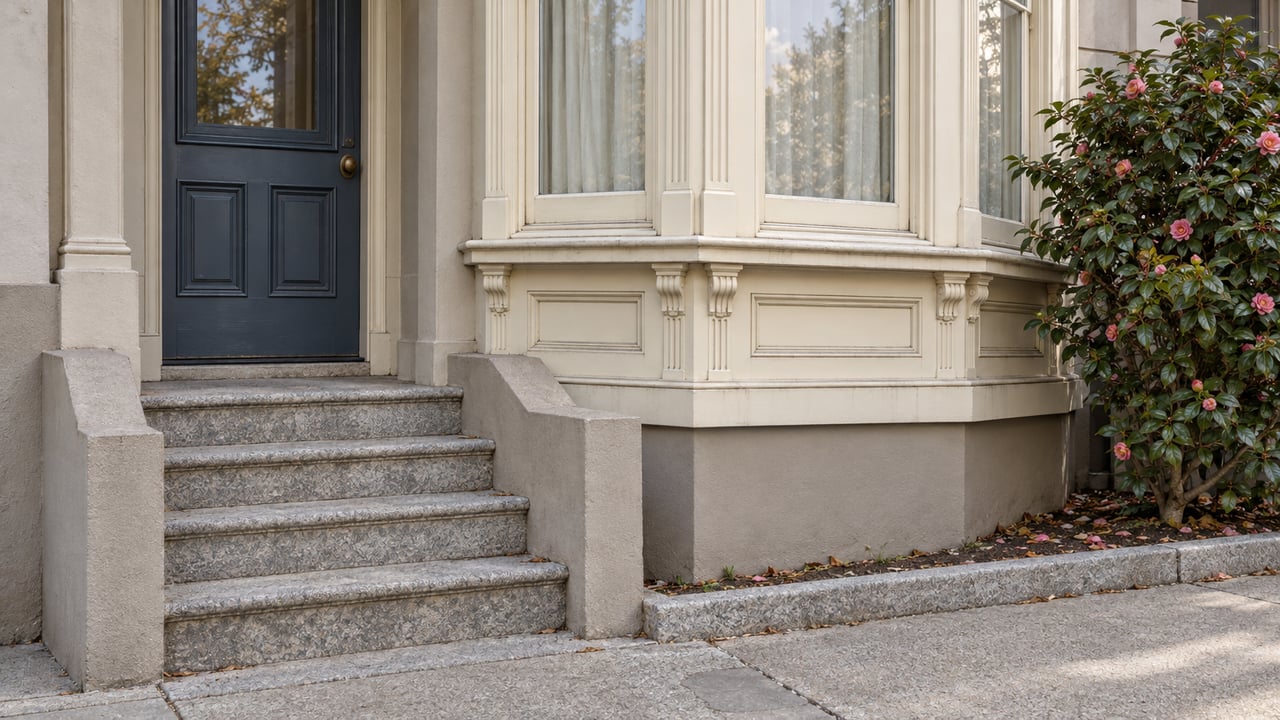
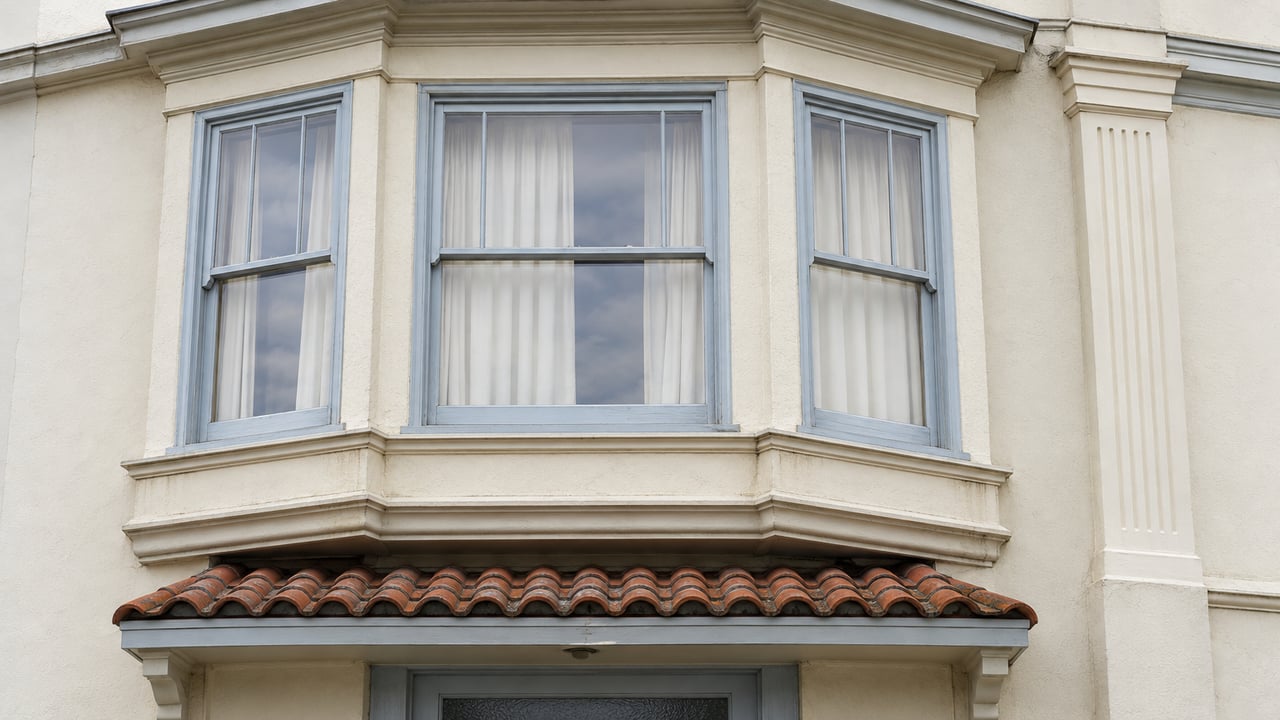
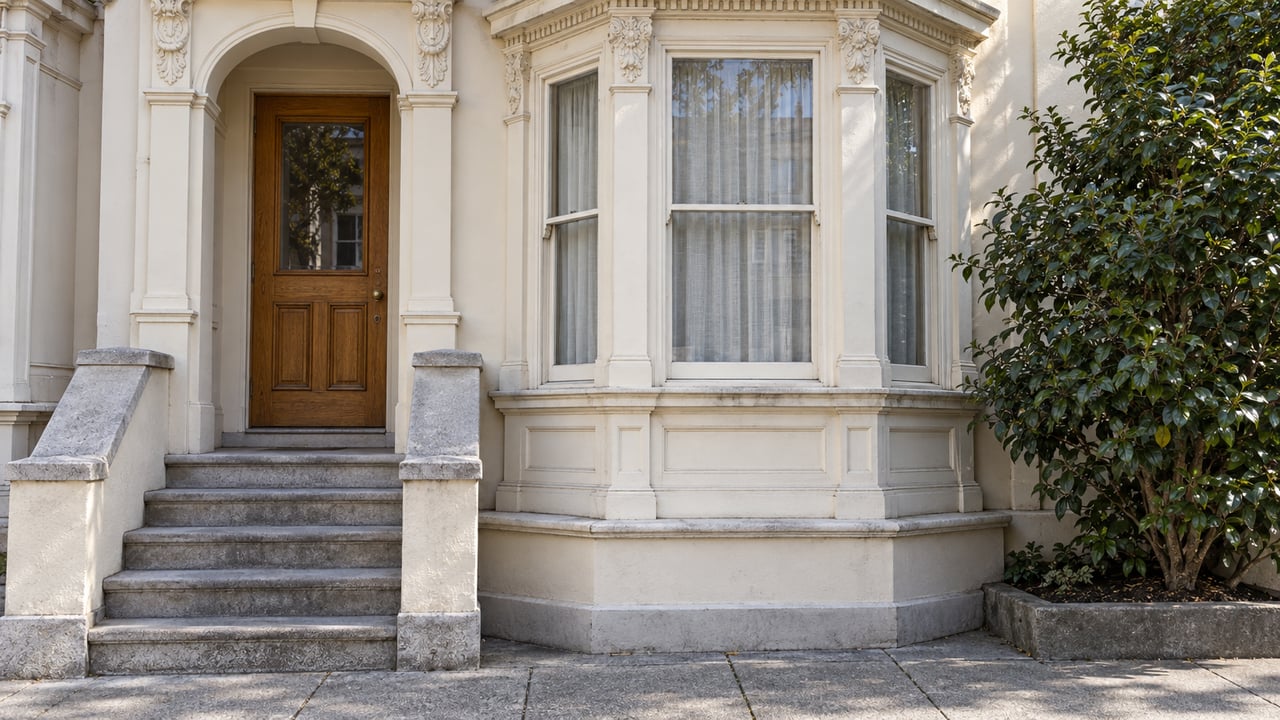
The Mission’s housing stock is mostly older low‑rise buildings. Think Victorian and Edwardian rowhouses, two‑ and three‑unit flats, and small walk‑ups over ground‑floor shops. Many buildings have shared entries and stoops with small back patios or decks.
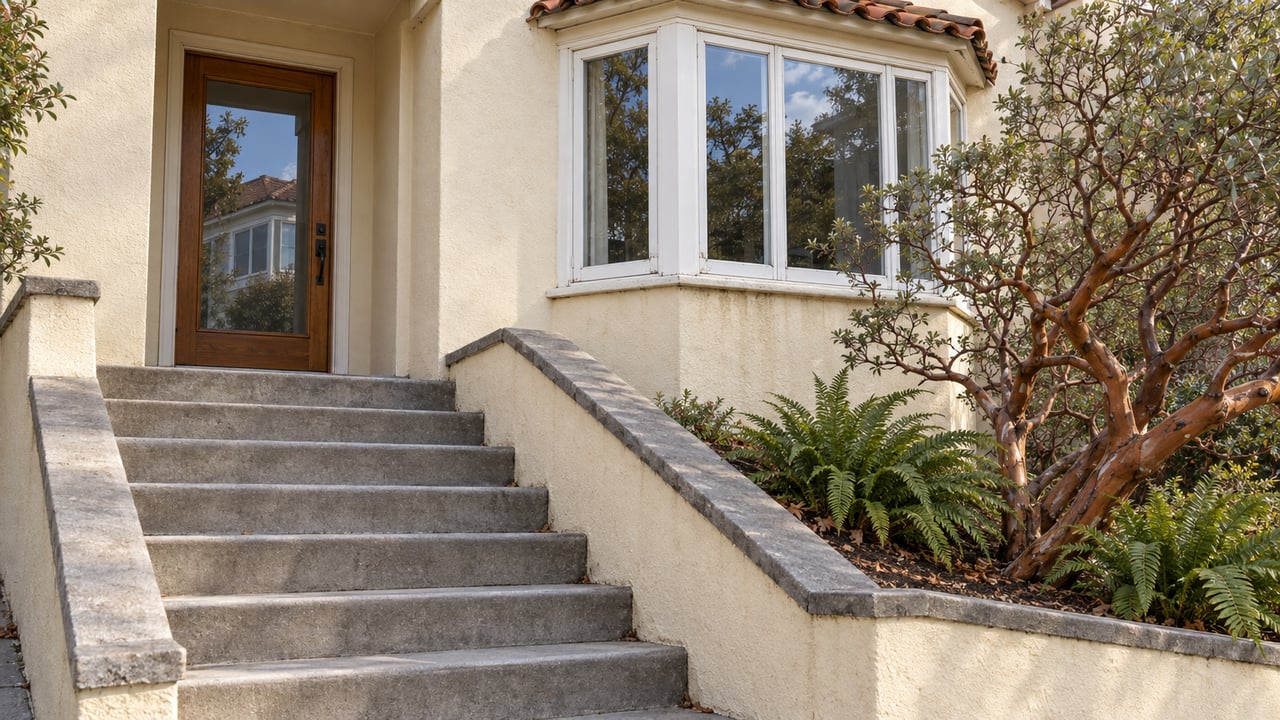
You will also find newer infill condos and apartment buildings along major streets and former industrial parcels. Some newer rentals include micro‑units and studios near transit. Yard sizes are typically small, and most homes sit on narrow lots.
Renting and buying realities
Both renting and buying are competitive and priced at or above the San Francisco median. Prices vary widely by block, building condition, unit size, and proximity to transit or parks. Rental inventory is relatively abundant compared with strictly single‑family neighborhoods, but updated units in prime spots can move quickly.
If you are buying, expect attached housing, multi‑unit ownership structures, and fewer large single‑family homes than in nearby hill neighborhoods. If you are renting, expect strong demand near BART, Valencia, 24th Street, and Dolores Park.
Tenant protections and zoning
Many Mission apartments built before June 13, 1979 fall under San Francisco rent control. City and state eviction protections also apply. These rules shape rental stability and influence how often units come up for sale.
Zoning is a mix of residential and neighborhood commercial districts. Transit corridors have seen upzoning and pressure for new housing in recent cycles. For block‑level details, use SF Planning’s Property Information Map to look up zoning, parcels, and nearby projects.
Getting around
Living in the Mission makes car‑free life practical for many households. You can handle most errands on foot and reach downtown and the East Bay by train.
Walk and bike life
Streets are compact and lined with shops, making it easy to grab groceries, coffee, and essentials without driving. Valencia Street has protected bike lanes and a strong cycling culture. Bike commuting is common. Be mindful of theft and use quality locks and indoor storage when you can.
Transit options
Two BART stations anchor the neighborhood: 16th St Mission and 24th St Mission. They offer fast access to downtown and regional connections, including transfers to the airport. Muni serves the area with several routes, including the frequent 14 Mission. You can connect to Market Street Muni Metro stops within a short walk or bus ride.
Parking and driving
On‑street parking is limited on many blocks. Expect residential permit zones and street cleaning schedules. Car ownership is common, but day‑to‑day convenience can be lower than in suburban areas, especially near busy corridors.
Parks and weekend rhythm
Dolores Park draws crowds for picnics, skyline views, and informal sports. It is an easy walk from most western Mission blocks and very active on sunny weekends. You also have smaller green spaces like Precita Park, Garfield Square, and the historic Mission Dolores church grounds. Expect a lot of weekend socializing in parks and along café‑lined streets.
Everyday convenience
You can stock up at independent grocers and specialty markets scattered along 24th, Valencia, and Mission Streets. Day‑to‑day services are close at hand, including dry cleaners, laundromats, clinics, banks, and postal counters. Larger hospitals sit a short transit ride away.
Noise, safety, and street conditions
The Mission is active and urban. Streets close to Valencia, Mission, and 24th can be noisy late into the evening, especially on weekends. Interior side streets can feel much quieter by comparison.
Safety varies block by block. Property crime and theft are realities of city living, and visible homelessness and sanitation challenges are present in parts of the neighborhood. Review the SFPD crime dashboard for current, block‑level data and visit at different times of day to set expectations. Your experience will depend heavily on your exact street and building.
How it compares nearby
If you are weighing the Mission against other central neighborhoods, here is a quick feel:
- Noe Valley: generally quieter and more residential, with a small‑town main street feel.
- Hayes Valley: polished retail core with fewer late‑night corridors and a curated shop and café mix.
- SoMa: larger modern buildings and more office and commercial uses, with a different weekday rhythm.
- Bernal Heights: hillier and more low‑key, with a strong residential feel and fewer nightlife clusters.
These differences are general. Character shifts quickly over a few blocks in San Francisco, so on‑the‑ground visits are essential.
Is the Mission a fit for you?
Choose the Mission if you want walkability, diverse food, and a strong arts presence. It suits people who like active streets, easy transit, and a mix of long‑standing and newer businesses. If you prioritize quiet nights and simpler parking, target calmer side streets or consider adjacent neighborhoods with a more relaxed pace.
Smart ways to preview the neighborhood
Use this quick checklist to get a real feel for daily life:
- Visit morning, afternoon, and late evening on both weekdays and weekends.
- Ride BART between the 16th and 24th Street stations to feel the difference between each node.
- Walk Valencia, 24th, and Mission Streets, then loop a few blocks off each corridor to compare noise and building types.
- Sit in Dolores Park for an hour and then stroll to Precita Park to compare weekend energy.
- Check street parking, meter rules, and residential permit zones on the exact blocks you are considering.
- If buying or investing, look up the parcel and zoning on SF Planning’s Property Information Map.
- If biking is part of your life, ride the Valencia protected lanes and nearby cross streets, and consider theft prevention and storage at your building.
Final thought
The Mission offers color, convenience, and culture on nearly every corner. With the right block and building choice, you can shape the balance of energy and calm that works for you. Ready to talk through your options or tour blocks that match your goals? Reach out to Stephanie LeBeau for local guidance and a plan that fits your timeline.
FAQs
Is the Mission District safe to live in?
- Safety varies by block and time of day. Review the SFPD crime dashboard and visit your target blocks at different hours to set expectations.
How expensive is rent or buying in the Mission?
- Both rents and sale prices are generally at or above San Francisco medians, with big swings by unit size, condition, and proximity to transit and parks.
Is car‑free living realistic in the Mission District?
- Yes. High walkability, two BART stations, and frequent Muni service make it feasible for many households.
How noisy are Valencia, Mission, and 24th Streets at night?
- Expect lively evenings and weekend noise near those corridors. Side streets set back a few blocks are typically quieter.
What parks serve the Mission District?
- Dolores Park is the main draw. You also have Precita Park, Garfield Square, and smaller pocket parks and plazas.
How does the Mission compare to Noe Valley, Hayes Valley, SoMa, and Bernal Heights?
- The Mission is busier and more nightlife‑oriented than those areas overall, while each nearby neighborhood offers a different balance of residential feel, retail style, and building types.
Are there schools within the Mission District?
- Yes. The neighborhood includes public and charter options. Admissions and performance vary, so review current SFUSD resources and visit schools to learn about programs and enrollment.